
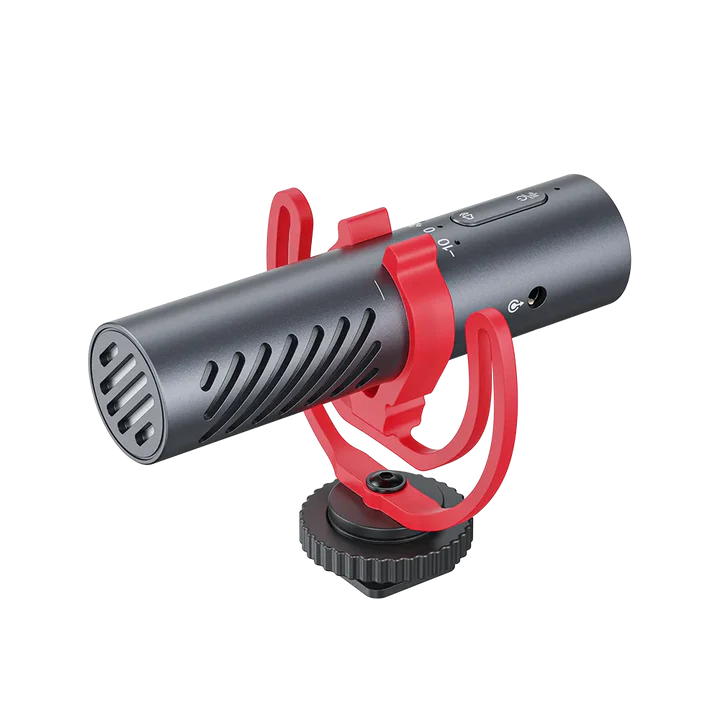
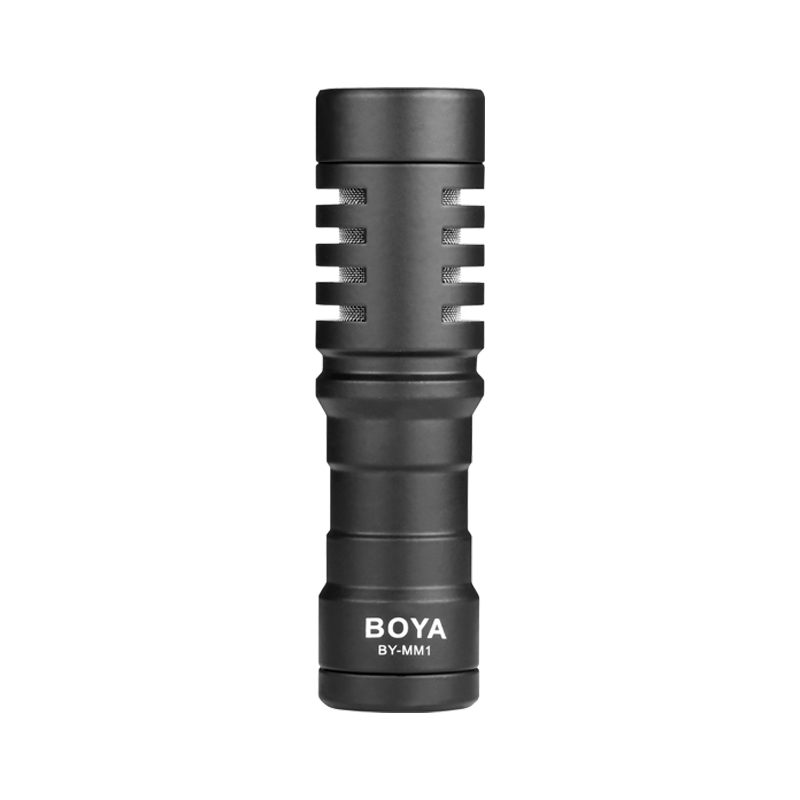
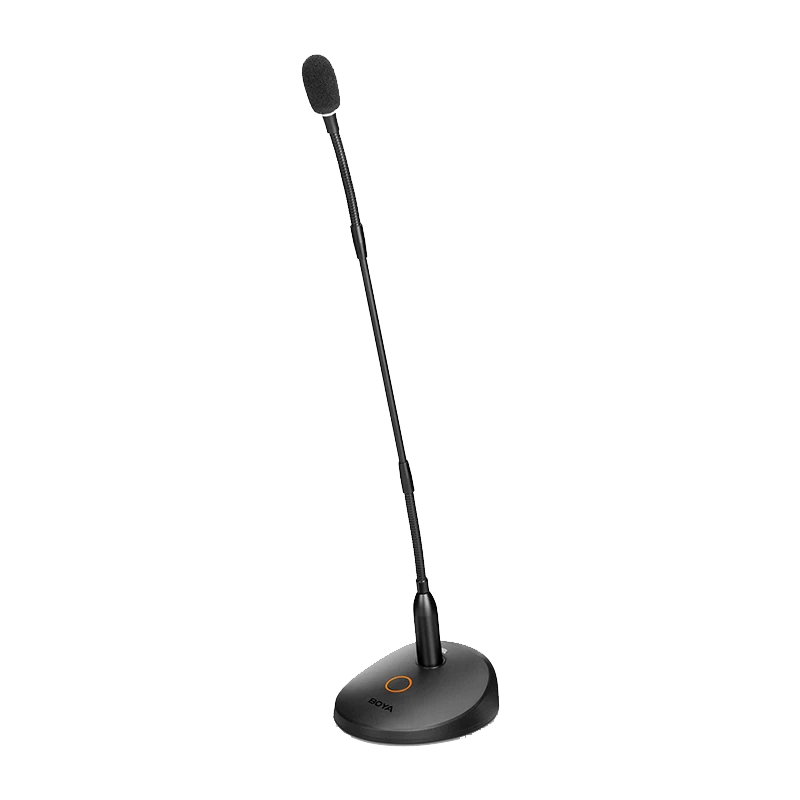

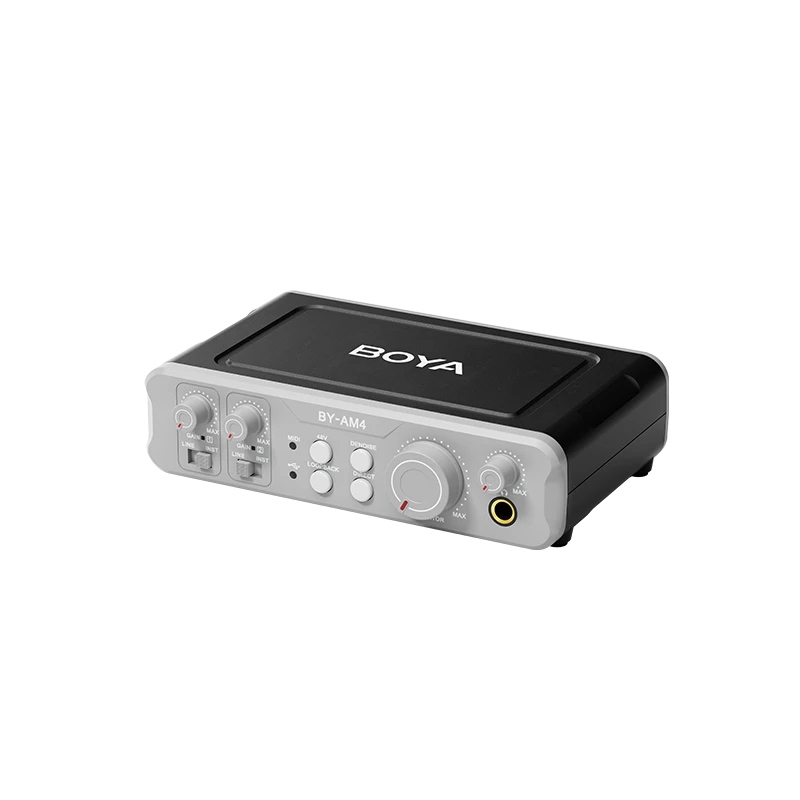









Have you ever experienced that moment? You're in the middle of a shoot, a sudden shout or unexpected loud noise instantly blows out your audio. Reviewing the footage, you find that crucial segment is plagued by harsh, irreversible digital distortion, forcing you to face the dreaded re-shoot.
This distortion is known as Audio Clipping and is often called "blowing out the audio." It is the "fatal flaw" in audio because, in most consumer-grade recording devices, once the signal exceeds the 0 dBFS digital limit, the lost waveform information is permanently unrecoverable.
Then, here we go, the Automatic Limiter (or Microphone Limiter) is the essential "Safety Guard" in your audio signal chain. It acts like an instant braking system, engaging in microseconds right before the signal crosses the safe level, forcefully capping the peak signal to prevent clipping.
This guide will systematically break down the Limiter's mechanism, compare the philosophy behind automatic vs. manual designs, and share a "Dual Protection" recording solution to elevate your recording success rate from "luck" to "predictability."
How Limiters Work vs. Dynamic Processors
The Limiter is the most aggressive tool in dynamic processing. Its sole purpose is to ensure no audio peak ever exceeds the set threshold.
- Threshold: Sets the signal's "ceiling" (usually set to -0.3 dBFS).
- Extreme Compression Ratio (∞ :1): Once the signal hits the threshold, the Limiter applies infinite gain reduction, ensuring the waveform is "brickwalled" below the threshold line.
- Ultra-Fast Response: Professional Limiters have an Attack Time typically less than 0.1 ms, fast enough to catch and handle any transient peak instantly.
Dynamic Processing Toolkit Comparison: Speed vs. Purpose
| Tool Name | Ratio | Typical Attack Time | Lookahead | Core Purpose |
|---|---|---|---|---|
| Limiter | ∞ :1 (Infinite) | <0.1 ms (Ultra-Fast) | 0 ~ 10 ms | Clipping Protection, Audio Safety Net |
| Compressor | 2:1 ~ 10:1 | 1 ms ~ 50 ms | 1 ~ 20 ms | Shaping dynamics, enhancing presence |
| AGC | Auto-Adjusting | 100 ms+ (Slow) | None | Maintaining consistent long-term volume |
Common Pitfall: System-level AGC (Automatic Gain Control) should never be confused with a professional Limiter. AGC is slow, cannot handle transient clipping, and often boosts unwanted background noise. Always disable AGC for serious recording.
The Dual Protection System
In uncontrolled, single-operator recording scenarios, manufacturers often integrate a "Dual Protection" mechanism to ensure the usability of your audio material.
Mechanism 1: Smart Automatic Limiter
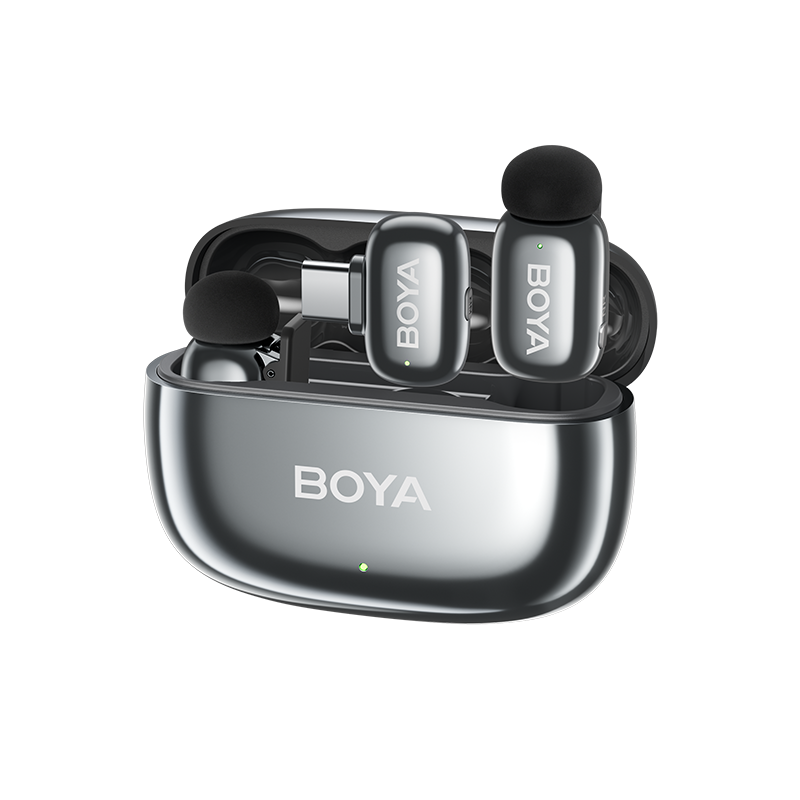
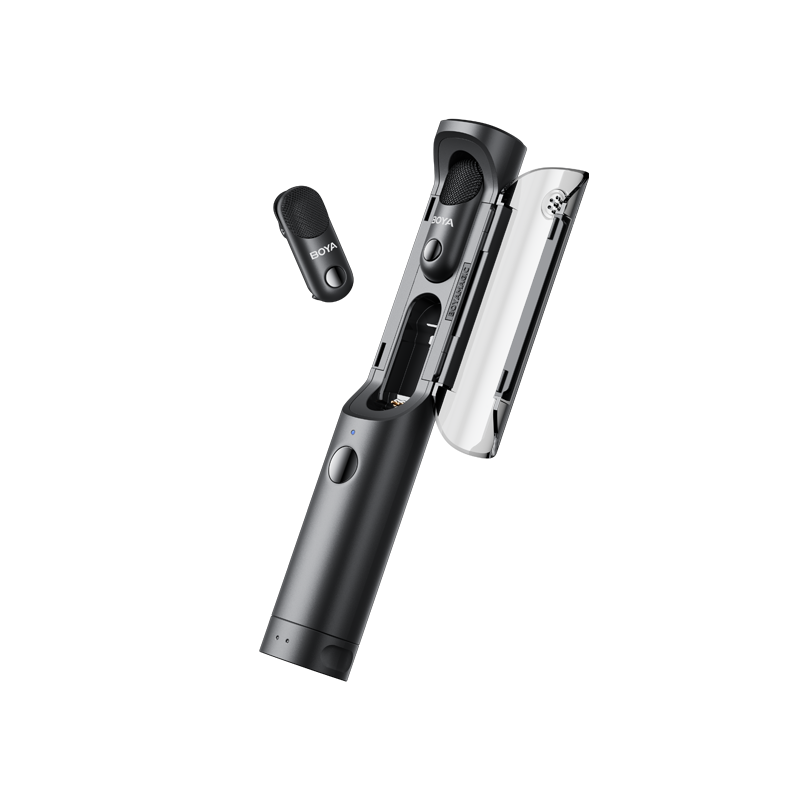
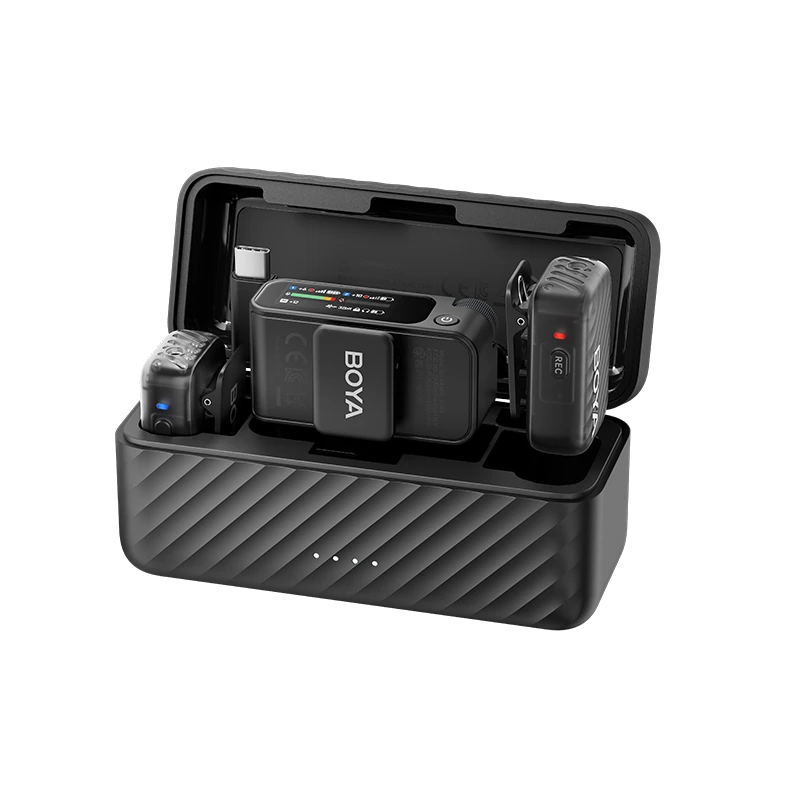
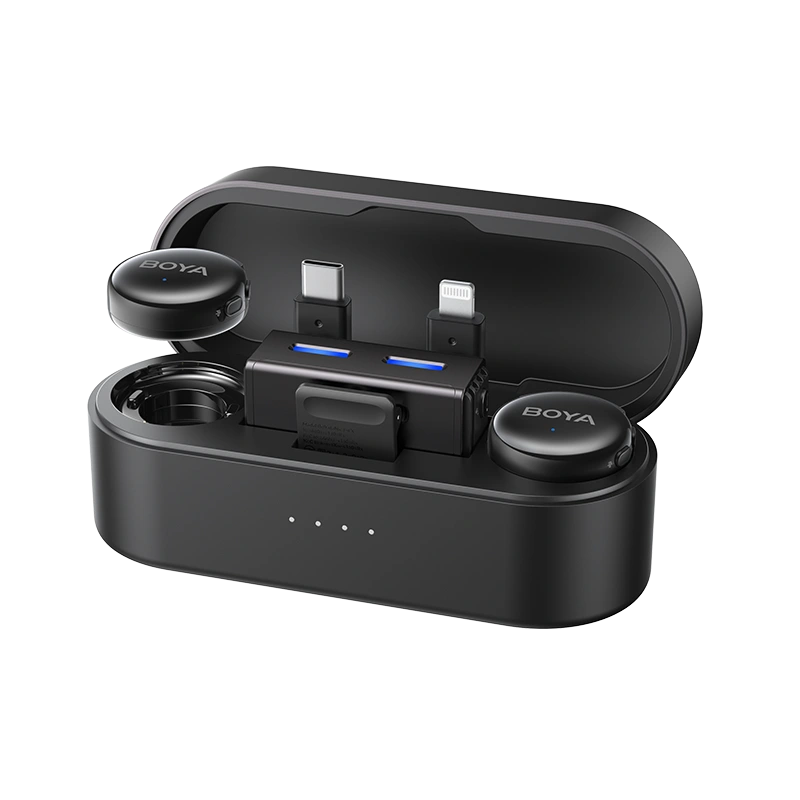
The mic's built-in DSP chip or analog circuitry constantly scans the waveform. If a peak exceeds the threshold, the firmware instantly triggers gain reduction before analog-to-digital conversion. For example, devices designed for content creators (like BOYA mini 2) often feature firmware-level limiters, providing ± 1 dB precision for reliable clipping protection.
Mechanism 2: -12 dB Safety Track Recording
The Safety Track is the simplest and most effective "material rescue technique" in modern audio creation. The mic will simultaneously captures two tracks: the main track (normal level) and a redundant track automatically attenuated by -12 dB. So even if an uncontrollable, loud noise causes the main track to clip, the backup track, having 12 dB of robust Headroom, is almost guaranteed to be clean and intact.
To fully understand the engineering behind this feature, you can read our detailed guide on what is a mic safety track.
Key Value: This dual-track mechanism completely eliminates the need for re-recording and rework due to unexpected peaks.

Design Philosophy: Auto vs. Manual Limiting
The choice between fully automatic and adjustable parameters reflects the manufacturer's philosophical trade-off between user convenience and professional control.
| Type | Target User | Core Demand | Manufacturer's Trade-Off |
|---|---|---|---|
| Fully Automatic | Daily Vloggers, Run-and-Gun Shooters | Recording must be safe and fast | Sacrifices granular control for zero latency & high stability |
| Adjustable Parameter | Mixing Engineers, Film Sound Recordists | Sound must be highly malleable for post-production | Sacrifices convenience for the ability to adjust Lookahead, Release curves |
Essence: This distinction is about customized service—whether to entrust the technical complexity to the hardware or to the user's professional knowledge.
Conclusion
Whether it's firmware hard limiting or DSP adjustable parameters, the Limiter’s mission is clear: to prevent irreversible digital clipping. Combined with the Safety Track, the system provides an indispensable layer of fault tolerance, truly enabling "Creative Freedom". Ready to experience true worry-free recording and unleash your creativity? Explore BOYA's professional wireless microphone series now.
Final Advice: Delegate audio safety to the hardware, reserve your inspiration for content.
To learn more about the latest news from BOYA, join in our official social media accounts: Facebook, Youtube, Instagram.
Frequently Asked Questions
What is the core difference between a Limiter and a Compressor?
The Limiter (∞ : 1 ratio) aims for clipping prevention, ensuring the signal never exceeds 0 dBFS. The Compressor (lower ratio) aims for dynamic shaping, making the sound more stable and present.
Is Digital Clipping (Audio Blowout) truly unrecoverable?
Yes, in most consumer-grade recording devices, it is unrecoverable. The signal is digitally flatlined, and the data is lost. However, if your device supports 32-bit Float Recording, you can recover the clipped signal in post-production. Learn more about what 32-bit Float recording is.
Should I turn off my computer system's AGC feature?
Strongly recommended. System AGC is slow, boosts background noise, and interferes with professional hardware limiting, often degrading recording quality.
What is the specific purpose of the -12 dB Safety Track?
It is a low-level backup track. When the main track clips, you can switch to the clean backup track and perfectly replace the main track by boosting its gain by 12 dB, effectively rescuing the material.