
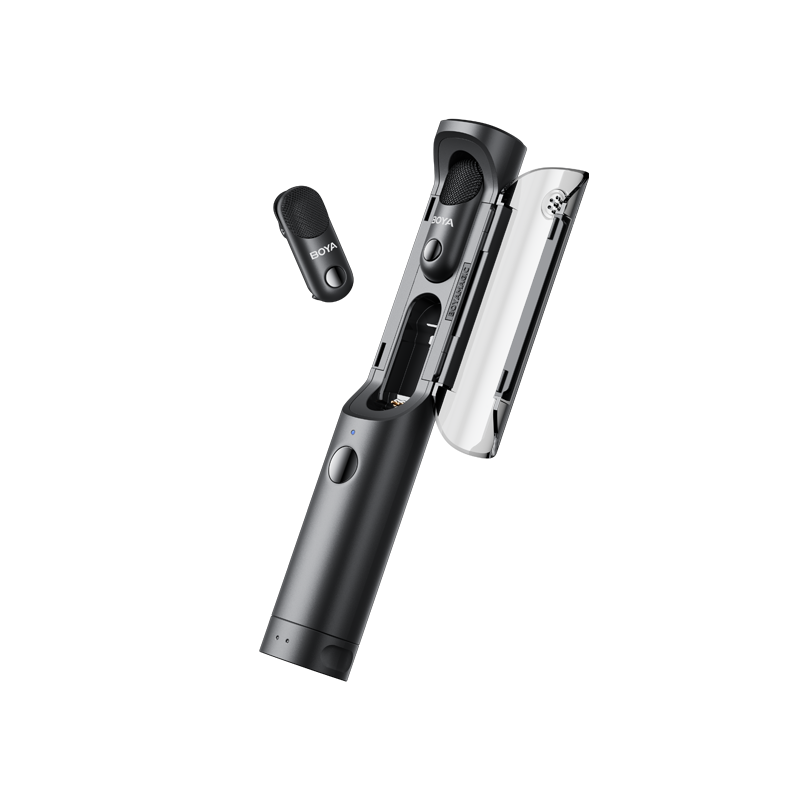
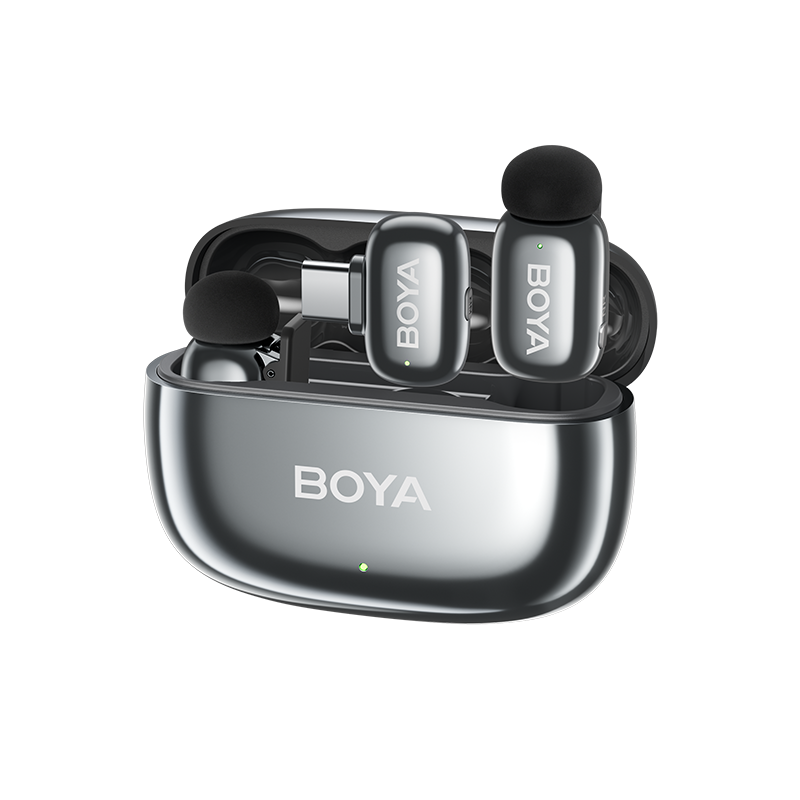
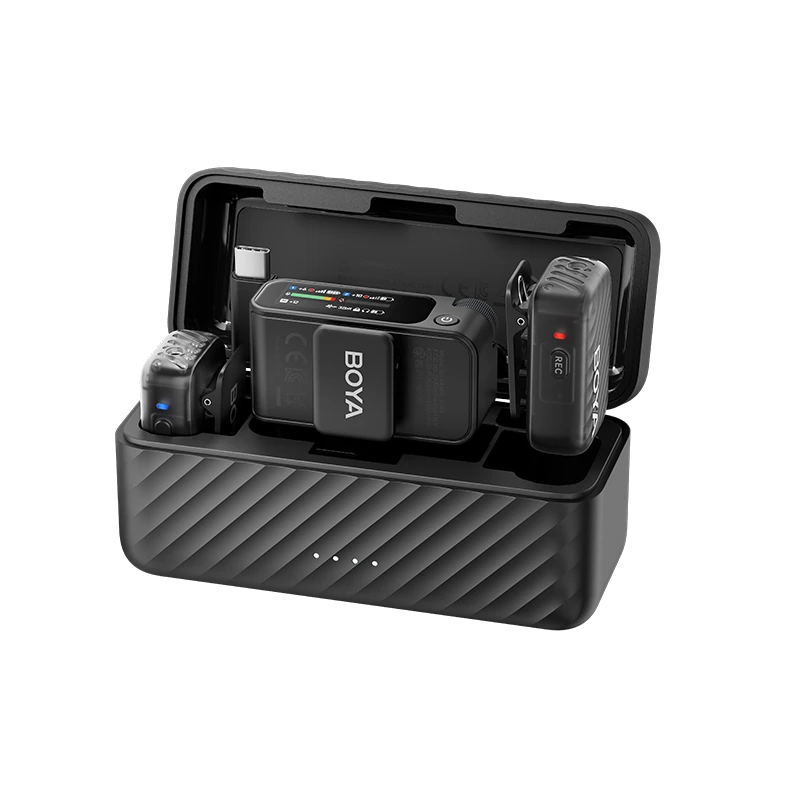
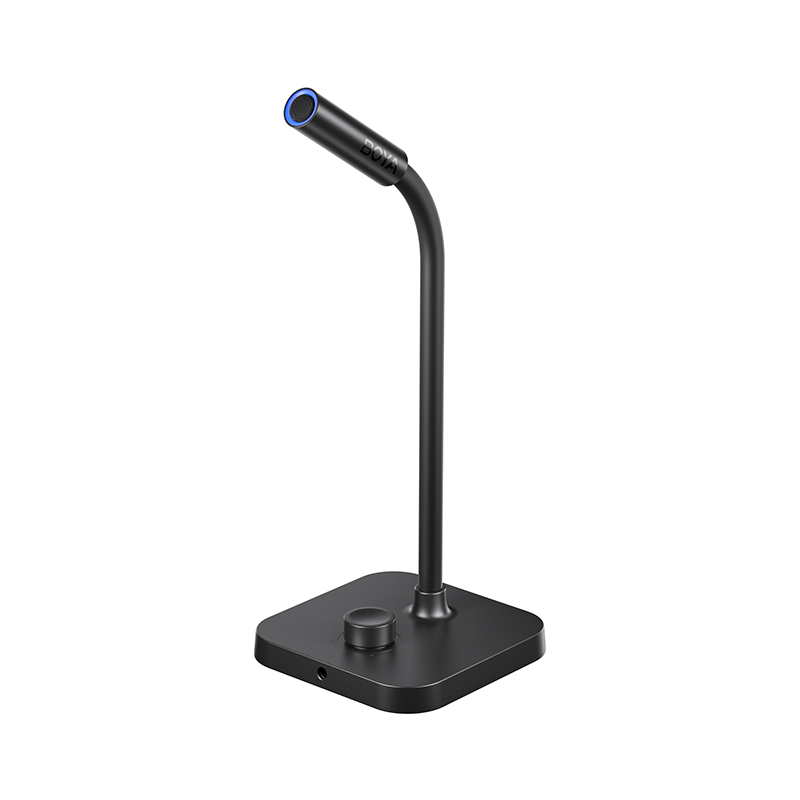
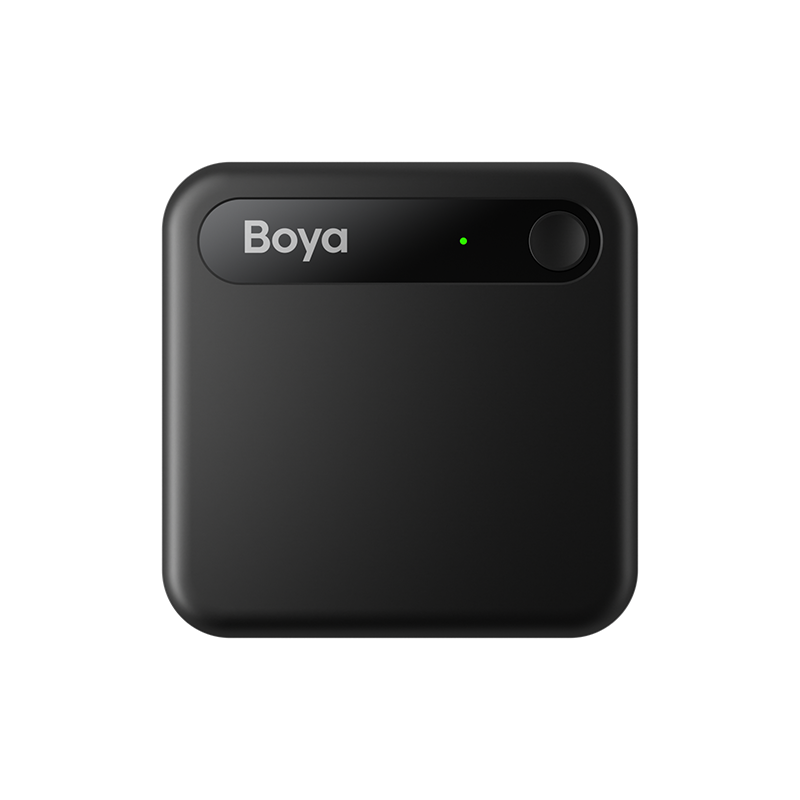
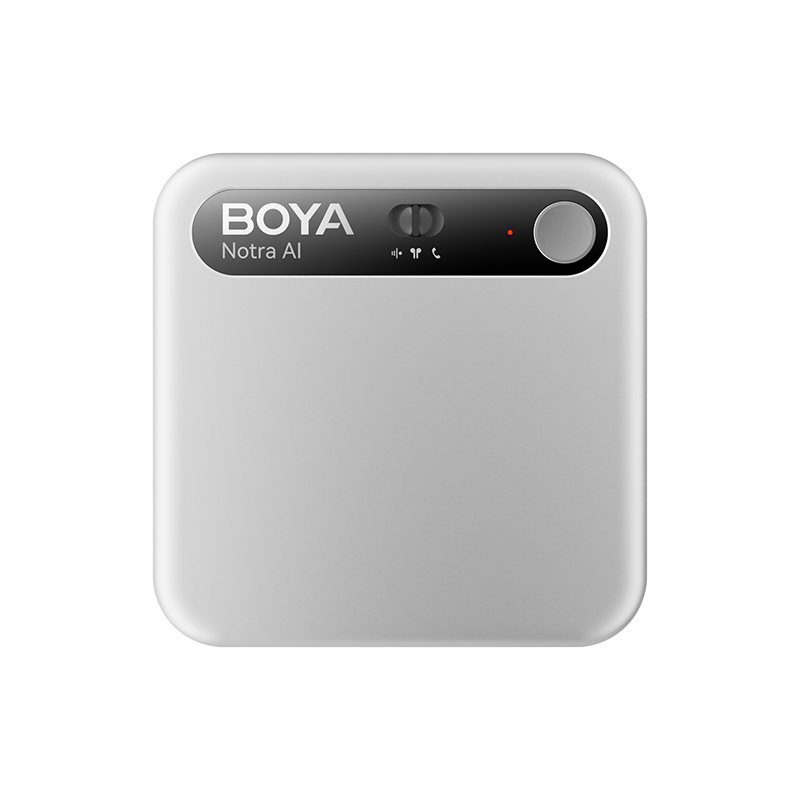
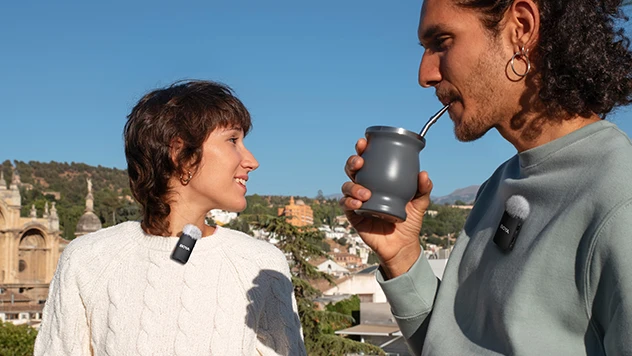

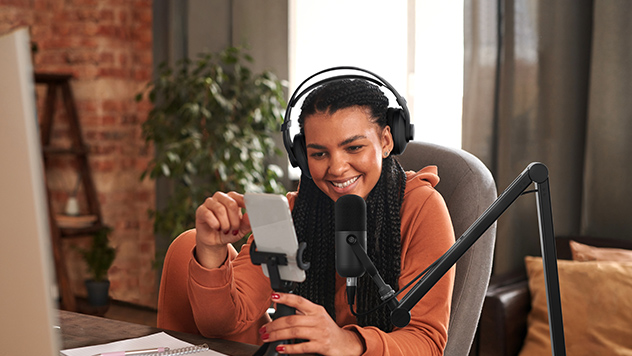






As AI-driven audio processing becomes a defining differentiator in wireless microphones, the way noise reduction is evaluated is changing. In a recent real-world field test, tech reviewer Mark Bennett conducted a side-by-side comparison of BOYA MIC2 and BOYA LINK3 against established models such as the DJI Mic 2 and Hollyland Lark M2.
Spanning high-noise environments and controlled acoustic scenarios, the test focuses on how different noise reduction architectures—traditional ENC versus BOYA’s DNN-based AI noise cancelling—perform under real production pressure. Below, we break down the key findings and examine whether BOYA’s new AI-powered lineup can genuinely rival today’s flagship wireless microphones.
TL;DR
If you are looking for a professional wireless microphone with 32-bit Float recording, massive battery life, and AI-powered voice isolation, the BOYA MIC2 stands out as one of the most compelling and cost-effective alternatives in the current 2025 consumer market.
BOYA MIC2 vs DJI Mic 2: Can the Budget King Truly Compete?
Conclusion: The BOYA MIC2 matches the DJI Mic 2 in flagship audio specs while offering superior portability and significantly longer battery performance.
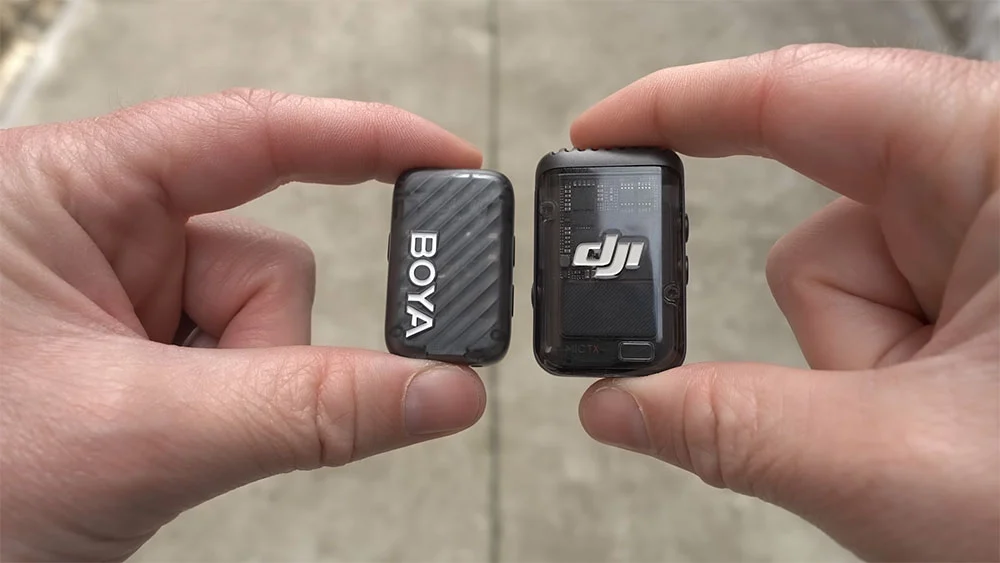
Mark Bennett highlights the subtle but important difference in transmitter ergonomics, which is crucial for long-form vlogging:
"The transmitter itself is actually really small and light relative to say the Road Wireless Pro or the DJI... You have 21g for the BOYA, and for the DJI you have 28g. Physically speaking, the DJI is also quite a bit larger. "
| Key Features | BOYA MIC2 | DJI Mic 2 |
|---|---|---|
| Internal Recording | 32-bit Float recording (Clip-proof) | 32-bit Float (Clip-proof) |
| TX Weight | 20.5g (Ultra-light) | 28g |
| Total Battery Life | 54 Hours (Industry-leading) | 18 Hours |
| Noise Tech | DNN AI Noise Cancellation (2 Levels) | ENC Noise Cancellation (1 Level) |
| Companion App | Yes (BOYA Central) | No |
Insight: If you value flexibility, long battery life, and AI-driven processing over ecosystem lock-in, BOYA offers a compelling alternative.
AI Noise Cancellation Test: BOYA vs DJI vs Hollyland Lark M2
Conclusion: Unlike the traditional ENC used by DJI and Hollyland, BOYA’s AI algorithm offers deeper isolation and an "adaptive" quality that clarifies the voice as you speak.
During heavy-duty stress tests (simulating dance clubs and loud A/C units), Mark compared the three leading brands. Regarding the performance of DJI and Hollyland, he noted:
"Now the noise cancelling has been enabled (on DJI). Does this compare to the BOYA artificial intelligence noise cancelling? ... (On Lark M2) This is the stronger version of the noise cancelling... but I still am dancing because I can hear the music."
While traditional ENC leaves audible background hiss in high-decibel environments, BOYA’s DNN algorithm demonstrates a "learning" process. For creators, it is vital to understand how true AI noise cancellation works, as it determines whether your mic simply cuts frequencies or uses neural networks to isolate your voice from 700,000+ types of noise.
Insight: In short: BOYA’s AI noise cancelling behaves more like adaptive voice isolation than traditional frequency-based ENC.
Which Button-Style Wireless Mic Is Right for You?
Conclusion: The BOYA Link 3 addresses a long-standing trade-off in the button-style wireless microphone category: preserving professional-grade recording safeguards while maintaining an ultra-compact, minimalist design.
BOYA LINK3 records a secondary backup track at -6 dB alongside the main signal, providing essential protection against unexpected audio clipping and volume spikes without compromising its plug-and-play simplicity.
Mark Bennett highlighted this distinction during his testing:
"The DJI and the BOYA Link 3, you can implement mono, stereo, and safety. Whereas the Hollyland Lark M2, unfortunately, doesn't have a safety track."
Insight: Among compact “button-style” microphones, BOYA Link 3 is one of the few models that retains a safety track.
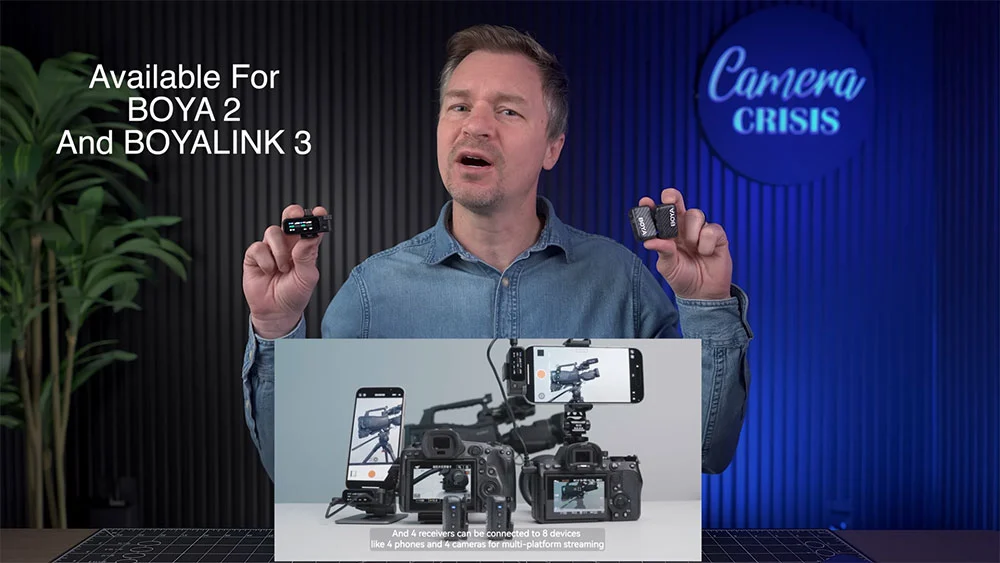
Multi-Platform Streaming: The 2 TX → 4 RX → 8 Devices Setup
Conclusion: For streamers on YouTube, TikTok, and Instagram simultaneously, BOYA’s multi-receiver tech is one of the few solutions that drastically reduces hardware complexity.
Mark Bennett deconstructed the practical value of utilizing a 2-TX 4-RX wireless microphone system. This setup eliminates the need for creators to wear multiple lavalier mics or carry heavy mixers:
- 2 Transmitters recording simultaneously;
- Pairs with up to 4 Receivers;
- Each receiver outputs to 2 devices (e.g., iPhone + Tablet).
"You could have eight different streams going with the same microphones being used going to all of the different devices. I think that is pretty cool." —— Mark Bennett.
Summary: Which Microphone Should You Buy in 2025?
- For Professional All-rounders: Choose BOYA MIC2. It matches flagship specs like 32-bit float internal recording while offering superior AI noise processing at nearly half the price.
- For Ultra-portable Vlogging: Choose BOYA LINK3. It is the most feature-complete mini-mic available today.
- For DJI Ecosystem Users: If you rely on direct-to-camera protocols for the Pocket 3 or Action 5, the DJI Mic 2 remains the smoothest choice.
To learn more about the latest news from BOYA, join in our official social media accounts: Facebook, Youtube, Instagram.
Frequently Asked Questions
Can a 2-TX 4-RX system really connect to 8 devices?
Yes. By cascading receivers, you can split the signal into multiple smartphones, cameras, or PCs for simultaneous multi-platform broadcasting.
Why is 32-bit Float recording important for vloggers?
It provides a massive dynamic range, meaning you can recover audio in post-production even if it was recorded too loud (clipping) or too quiet.
Trust Statement (Sponsored Context): This review is based on a sponsored video by BOYA, with all conclusions drawn from real-world testing demonstrated by the creator, Mark Bennett. Our goal is to provide an objective, data-driven comparison for creators choosing their next audio upgrade.