






💡 Key Takeaways
- Standalone operation is one of the biggest advantages AI voice recorders offer over smartphone recording apps: The BOYA Notra requires no app launching or screen activation; a blind 2-second physical press triggers instant recording, reducing the friction often associated with recording conversations using a smartphone.
- A physical bone-conduction architecture elegantly bypasses smartphone call-recording restrictions: By utilizing an integrated bone-conduction sensor to capture structural vibrations from the phone's back panel, the device provides a practical way to capture both sides of a phone conversation without requiring OS-level software permissions.
- Cloud-bound subscription models remain an unavoidable hidden cost for AI hardware: Despite superb hardware execution, audio transcription and AI summarization rely entirely on BOYA's cloud servers, forcing users into a continuous SaaS subscription once the free monthly tier is exhausted.
- Open physical file interfaces preserve high engineering freedom for local private AI deployment: The inclusion of a USB mass-storage access toggle allows users to export raw audio natively, providing a perfect hardware front-end for those wanting to feed local, self-hosted LLM setups.
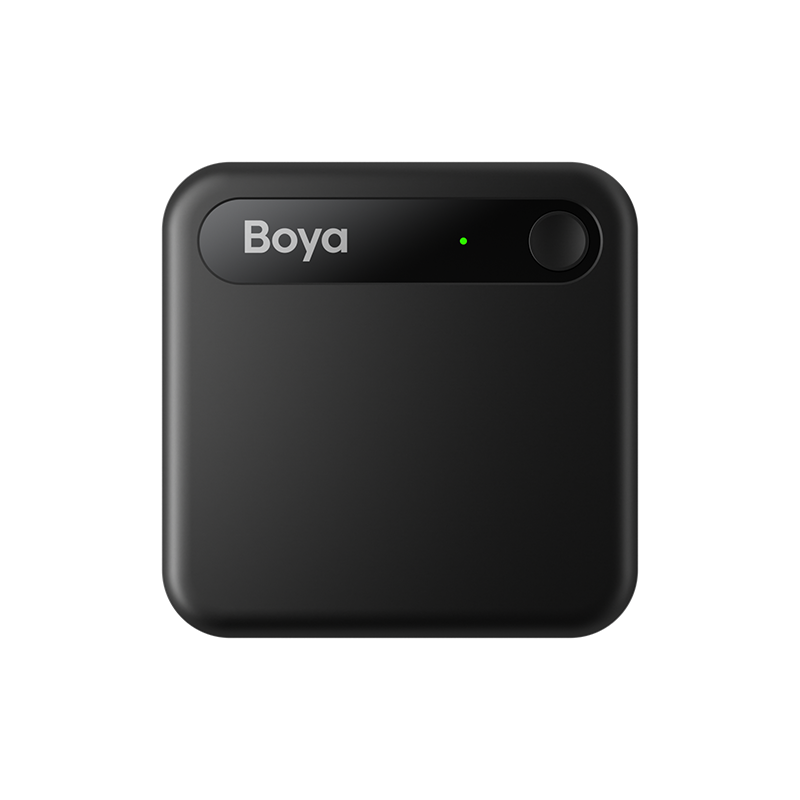
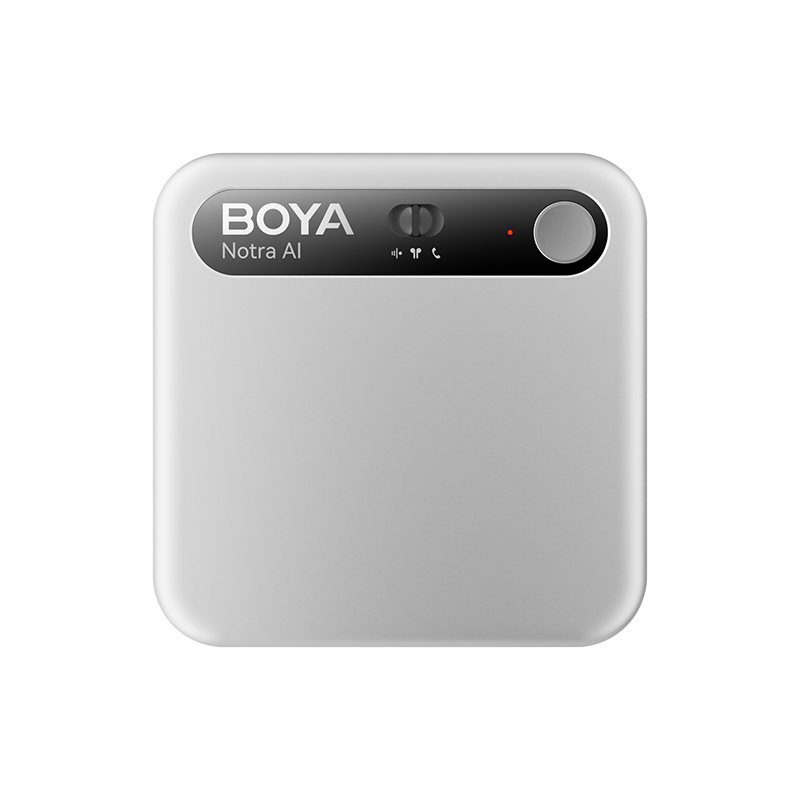
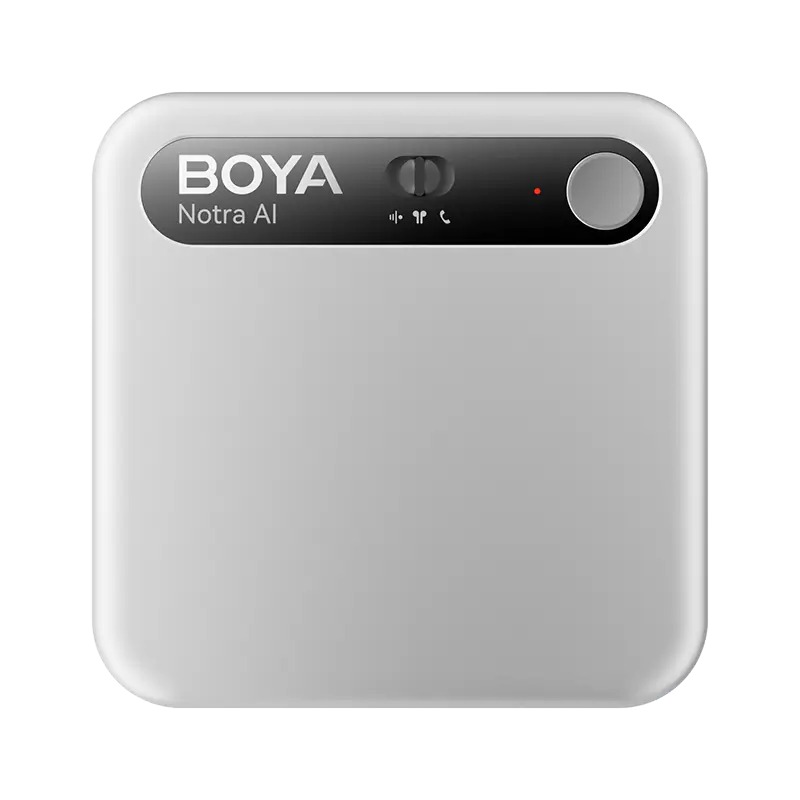
As AI-powered productivity tools become more common, standalone AI note takers are attracting growing attention from professionals, students, and everyday users looking for a faster way to capture information. From early all-day wearable recorders to today’s sleek magnetic audio cards, manufacturers are trying to solve a common challenge: how to seamlessly digitize meetings, interviews, and spontaneous ideas without disrupting your mental workflow or "creative flow state". BOYA entered this category with the launch of the BOYA Notra AI Voice Recorder, a hyper-thin 6.8mm device boasting bone-conduction call recording and native MagSafe compatibility.
After using the device for approximately two months, the reviewer Caio Delgado found that BOYA Notra offers meaningful productivity benefits while also sharing some of the subscription-related limitations commonly seen in AI note-taking products. This review breaks down BOYA Notra’s core competencies, its real-world performance, and whether it deserves a permanent spot on the back of your smartphone.
Why Use an AI Voice Recorder Instead of a Smartphone?
In complex, highly fast-paced professional or medical environments, hardware-level, single-purpose recording devices consistently provide a more discreet and convenient recording experience than smartphone apps. For users deciding between a dedicated recorder and software-based solutions, understanding the differences between an AI voice recorder and AI meeting software can help explain why standalone devices continue to appeal to many professionals. As real-world field tests highlighted:
"The main difference, not only of BOYA Notra AI, like any device standalone, is that you don't depend on cell phone to start recording. And it's very simple and inconspicuous , whereas on a cell phone you would have to open an app, start recording, and have to leave the device in plain sight. The Notra fits in any pocket, and as I've tested myself, it works well and is perfect for any situation."
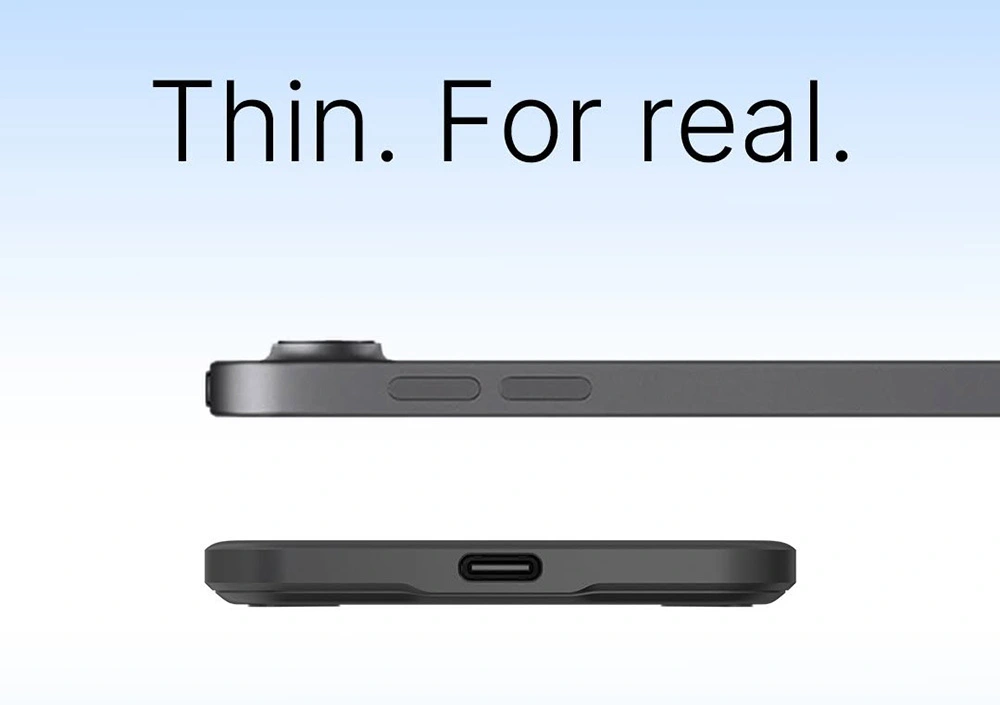
From an interaction design standpoint, BOYA Notra’s ultra-compact 63 x 63 x 6.8 mm footprint combined with a discrete 2-second haptic vibration feedback minimizes the friction of documentation. It turns recording into a simple one-button action, making it an ideal companion for professionals, content creators, researchers, and frequent note takers, or anyone looking to protect their cognitive focus from the endless distractions of a glowing smartphone interface.
How Accurate Is BOYA Notra in Different Languages?
For many users, transcription accuracy matters just as much as recording quality, especially when conversations involve different accents or multiple languages.
Testing the device in a high-stakes customer dispute with a European automotive dealership provided a useful real-world test. The attendant spoke a complex, heavily accented linguistic mix of Dutch and English ("Dutch-English"). Despite these challenging language and accent conditions, the transcription system performed surprisingly well:
"That wasn't a problem for Notra; he captured everything and brought the summary almost perfect."
Aside from translating a localized Dutch acronym as a generic English phonetic phrase, the core semantic intent, conversational milestones, and resolution details remained uncompromised.
The companion BOYA Notra application transforms these raw multilingual transcriptions into actionable organizational assets. Instead of dumping a massive, unreadable wall of text onto the user, it simultaneously generates a chronological chat transcript, an executive summary, and an interactive Mind Map. This multi-layered data visualization layer is precisely what elevates the device from a passive digital recorder into a more useful productivity tool.

Technical Highlights and Real-World Advantages
1. Integrated Bone-Conduction Telephony Pickup
What it is: A specialized physical contact sensor mounted on the rear casing that reads structural sound-wave vibrations transmitted directly through the smartphone's body, rather than waiting for sound to travel through the air.
Why it matters: It helps address common limitations associated with smartphone call recording without resorting to insecure software loops, unstable VoIP workarounds, or jailbreaking. This hardware-based approach can capture both sides of a phone conversation without relying on app-level recording permissions across a wide range of communication platforms.
2. Isolated Standalone Storage & Extreme Power Management
What it is: A design that combines 64GB of onboard storage with efficient power management capable of delivering 24 hours of active continuous recording or up to 364 days of standby power.
Why it matters: It allows the recorder to operate independently for extended periods. In field tests where the unit was accidentally left recording continuously for over 8 hours, the battery capacity remained above 50%. This "always-ready" reliability eliminates the concerns about smartphone battery drain commonly associated with running continuous background recording apps on standard mobile phones.
Use Case Scenario Suitability Rating
| Use Case Scenario | Suitability Rating | Editorial Analysis & Operational Context |
|---|---|---|
| Spontaneous Ideation & Creative Flow | ★★★★★ | Instant 2-second blind operation protects focus. Zero screen interaction means zero cognitive disruption. |
| Bilateral Corporate Negotiations | ★★★★★ | The MagSafe bone-conduction system makes it the most elegant, cross-platform call recording solution on the market. |
| Large Multi-Stakeholder Meetings | ★★★★☆ | 10-meter ambient range performs strongly, though speaker diarization (separating voices) can blur during cross-talk. |
| Extreme Sub-Pocket Documenting | ★★★☆☆ | Algorithmic noise filters successfully rescue semantic meaning, but persistent physical fabric friction degrades audio quality. |
| Self-Hosted / Private AI Frameworks | ★★★★☆ | Native USB storage access toggle allows easy extraction of raw files, perfect for open-source workflows. |
Conclusion
After two months of real-world testing, the BOYA Notra proved to be more than just another AI-powered gadget. Its biggest strength is not necessarily the transcription, summaries, or mind maps—it is the simplicity of the recording experience itself. With standalone operation, long battery life, multiple recording modes, and a discreet form factor, it removes many of the small barriers that often prevent people from capturing important conversations and ideas in the first place.
Ultimately, BOYA Notra is best viewed as a recording-first device with AI-enhanced productivity features rather than an AI product that happens to record audio. For professionals, students, researchers, content creators, and anyone who regularly needs to document conversations or ideas, it offers a practical and convenient way to capture information without constantly relying on a smartphone app. Whether that convenience outweighs the ongoing cloud subscription costs will depend on your individual workflow, but the hardware itself leaves a strong impression.
FAQ
Q: Does the BOYA Notra AI Voice Recorder require a continuous smartphone connection to record audio?
No, the BOYA Notra operates as a completely standalone, untethered hardware recording device. Smartphone pairing is only mandatory during initial out-of-the-box account registration and device activation. For daily deployment, you can leave your smartphone completely behind. The card features independent physical controls: a quick 2-second press of the primary button triggers an internal haptic vibration to verify that localized recording has begun. All captured audio is stored directly onto the built-in 64GB internal flash memory, ready to be batched, synchronized over Bluetooth, and processed by the AI app whenever you return to your workstation.
Q: How well does the BOYA Notra handle heavy regional accents or fast bilingual conversations?
Based on the reviewer's testing, the transcription system handled accented speech and mixed-language conversations surprisingly well. Real-world testing under demanding conditions—specifically handling rapid conversations mixing complex Dutch and heavily accented English—demonstrated that the AI system appears capable of understanding context across multiple languages and accents rather than strict phonetic matching. Instead of breaking down or outputting garbled text, the system appears capable of using conversational context to improve transcription accuracy , ensure proper terminology matching, and organize the final text into logical, human-readable outlines.
Q: How does the BOYA Notra bypass mobile operating system restrictions to record phone calls on iPhone?
It bypasses software blocks entirely by utilizing an integrated physical bone-conduction sensor. Because Apple’s iOS and modern Android distributions strictly forbid third-party applications from directly accessing cellular or VoIP audio streams due to privacy architecture, software solutions are notoriously unreliable. The BOYA Notra circumvents this by utilizing physical contact mechanics: when magnetically attached via MagSafe to the back of the handset, its rear bone-conduction element captures the acoustic structural vibrations emanating from the phone's physical chassis and internal ear speaker. This hardware-based approach is designed to capture both sides of a phone conversation without relying on app-level recording permissions.
Q: Is the BOYA Notra AI Recorder usable if I refuse to pay for the monthly cloud subscription?
Yes, but your cloud-based AI automated formatting features will be capped, requiring manual or open-source audio extraction. Out of the box, BOYA provides a permanent free allocation of 320 transcription minutes per month. If your usage exceeds this limit and you choose not to subscribe to their paid premium tiers, the companion application will lock automated cloud-based text and mind-map generation. However, the hardware remains fully functional. By turning on the "USB Access" feature in the settings, you can plug the device into any PC, Mac, or iPad, drag and drop your raw audio files off the 64GB storage drive, and process them using local transcription or AI analysis tools of your choice.