








💡 Key Takeaways
- The best wireless microphone is the one you’ll actually use every day. For most creators, portability, fast setup, and workflow simplicity matter more than chasing studio-level specs.
- Stable audio is more important than “perfect” audio. In real-world content creation, reliable wireless transmission and consistent vocal clarity matter more than ultra-high technical specifications.
- Different creators need different microphone setups. A lightweight plug-and-play mic may be ideal for short-form creators, while YouTubers, filmmakers, and interviewers often need monitoring, dual-channel recording, or stronger wireless stability.
- Modern wireless mics are becoming workflow tools, not just audio gear. Features like app control, onboard recording, intelligent noise cancellation, and multi-device compatibility can significantly improve daily content production.
Choosing the Right Wireless Microphone for You
In today's burgeoning content creation landscape, wireless microphones have become an indispensable tool for video bloggers, live streamers, journalists, educators, and even casual enthusiasts. However, faced with a dazzling array of products and complex specifications, many often fall into the “spec trap,” blindly pursuing high-end features while overlooking their actual workflow needs. In 2026, we emphasize a core philosophy: when choosing a wireless microphone, workflow takes precedence over specifications. A truly “good” wireless microphone isn't necessarily the one with the highest specs, but rather one that seamlessly integrates into your creative process, allowing you to focus on your content rather than equipment adjustments.
This article serves as a professional 2026 wireless microphone buying guide, helping you navigate beyond the spec trap and find the perfect wireless microphone solution based on your real-world application scenarios.
What Wireless Microphone Actually Matters in 2026?
As technology evolves, the 2026 wireless microphone market presents new trends. A “good” wireless microphone is no longer just about clear audio; it must also perform exceptionally well in the following four core dimensions:
1. A Mic You’ll Actually Carry Every Day
- Lightweight and Portable: Whether for vlogging, outdoor live streaming, or mobile interviews, the portability of the equipment is paramount. Smaller receivers and transmitters are easier to carry, conceal, and can even offer a “wearable without feeling it” experience.
- Plug-and-Play: Bid farewell to complicated setups and pairing processes. Instant connection upon power-on allows creators to quickly dive into their work, saving valuable preparation time.
- Extended Battery Life: Type-C charging has become mainstream, and integrated charging cases provide extra power, ensuring uninterrupted creation for extended periods. Fast charging is also increasingly common, meeting the demands of fast-paced creative work.

2. Stable Wireless Matters More Than You Think
- Transmission Range: Meeting the needs of various scenarios, from close-range indoor use to long-range outdoor applications, maintaining a stable connection is crucial. Manufacturer-advertised ranges are a reference; actual performance should consider obstacles and environmental interference.
- Anti-Interference Capability: In complex wireless environments (e.g., shopping malls, exhibitions, multiple devices), effectively avoiding signal drops and static ensures pure audio.
3. Clean Voice, Less Noise
- Efficient Noise Reduction Algorithms: Advanced AI noise cancellation technology intelligently identifies and eliminates environmental noise (e.g., wind noise, keyboard sounds, traffic noise) while preserving the naturalness of the human voice. Learn more about the truth behind AI noise-cancelling microphones.
- Multi-Level Noise Reduction Adjustment: Offering different strengths of noise reduction modes allows users to flexibly choose based on the actual environment, avoiding excessive noise reduction that could degrade audio quality.
- Physical Noise Reduction Assistance: Combining physical accessories like windscreens achieves optimal noise reduction results.
4. Compatibility & App Control
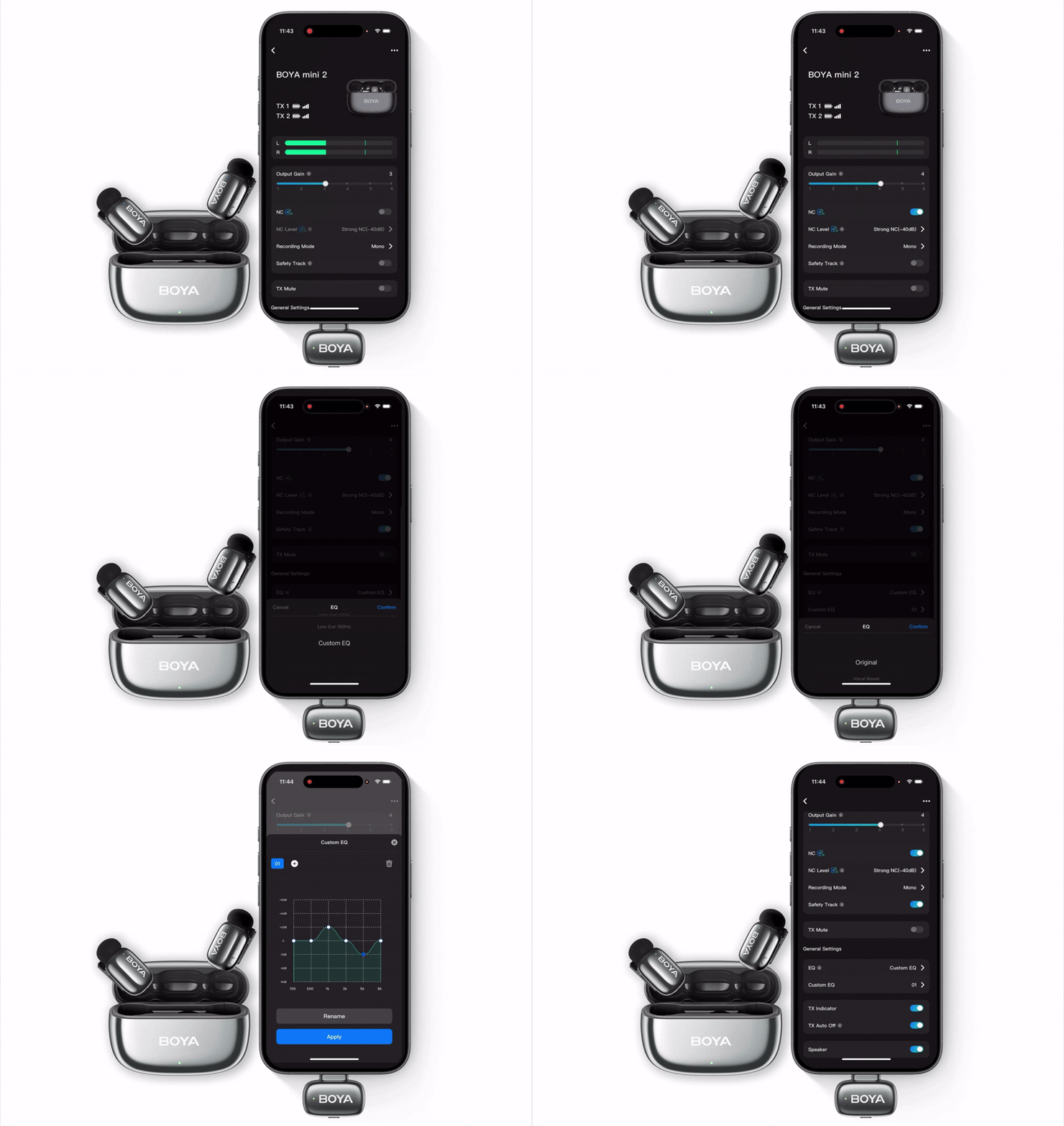
- App Control: Through dedicated apps, users can achieve more precise parameter adjustments (e.g., gain, EQ), firmware upgrades, real-time monitoring, and even remote recording control, greatly enhancing convenience and professionalism.
- Multi-Device Compatibility: Supporting various interfaces such as Lightning, Type-C, and 3.5mm TRS/TRRS, ensures compatibility with different devices like phones, cameras, and computers, enabling “one mic for multiple uses.”
- System Compatibility: Whether iOS, Android, Windows, or macOS, plug-and-play functionality without additional drivers ensures a smooth cross-platform creative experience.
Which Wireless Mic Fits Your Content Style?
Having understood the core focus points, we delve into the typical workflows and pain points of different creators, offering more targeted buying advice.
1. For TikTok & Short-Form Creators
Core Needs: Short-form video creators prioritize extreme portability, ease of operation, and rapid response speed. They often shoot outdoors, while traveling, or in daily life, requiring microphones that can be quickly deployed and don't take up much space. Audio quality needs to be clear and natural, effectively highlighting vocals, while also offering some environmental noise suppression to quickly produce high-quality content.
Buying Advice:
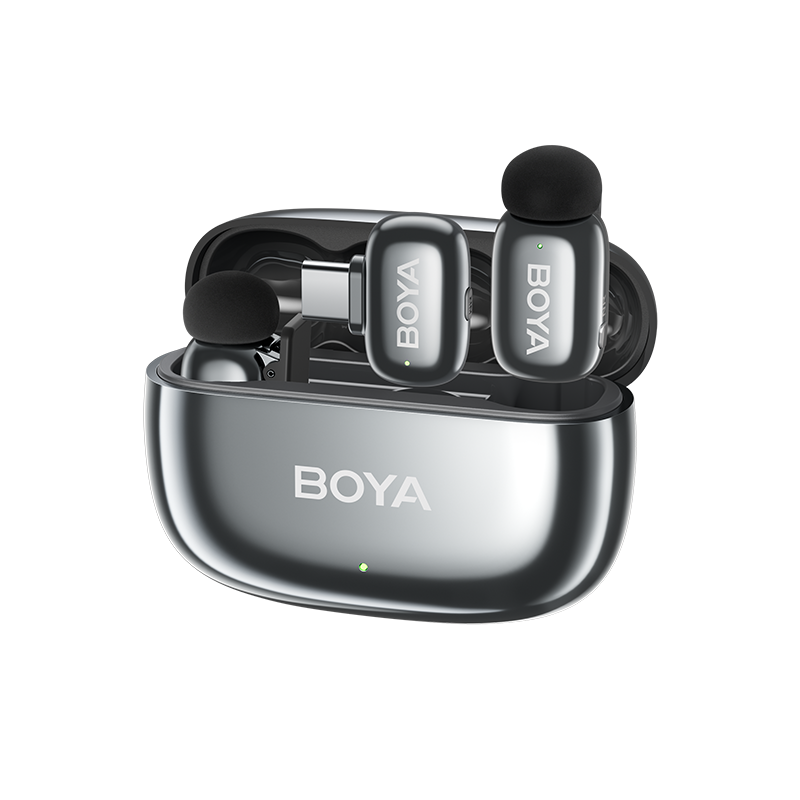
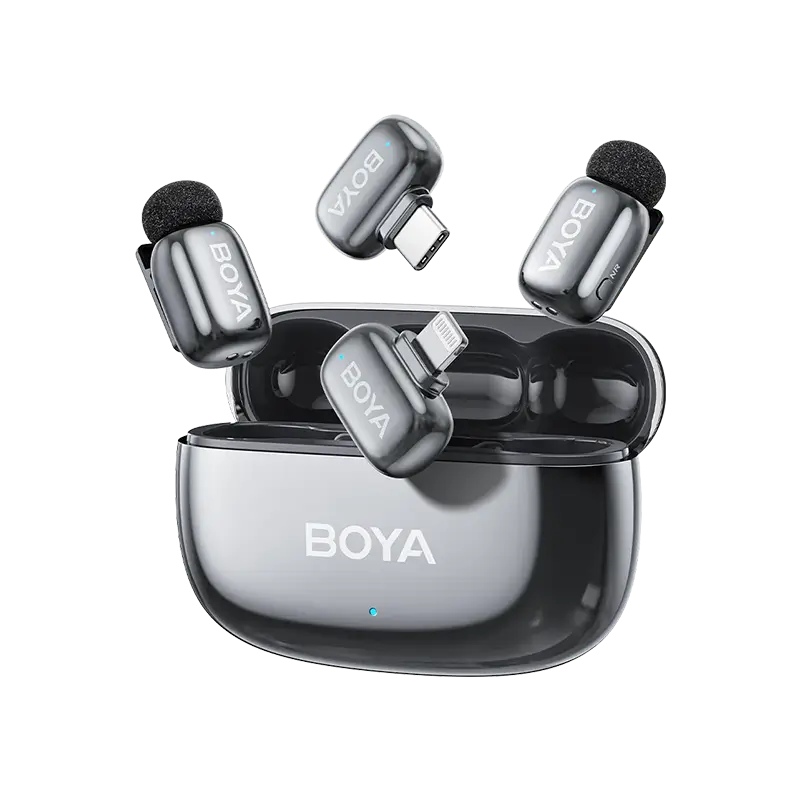
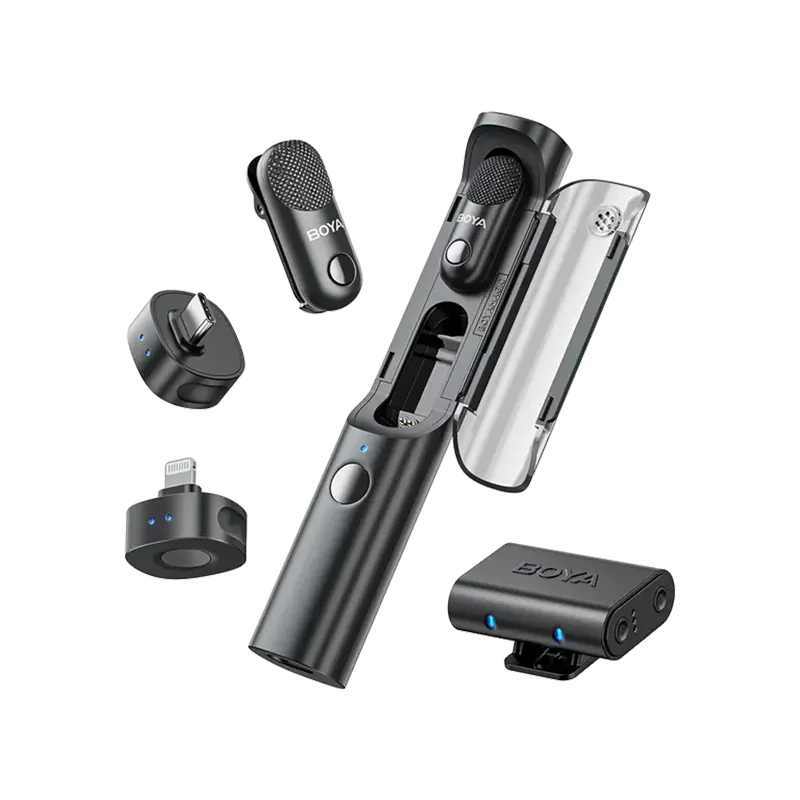
- Top Priority: Mini wireless microphones, such as lavalier or all-in-one designs, are compact, easy to conceal and carry, and can even be “worn without feeling it.” For example, the BOYA Mini2 is an excellent lightweight choice for short-form video creators.
- Key Features: Integrated charging case for extended battery life, meeting fragmented shooting needs; direct phone plug-in (Lightning/Type-C interfaces) for instant use, eliminating complicated connections; one-button noise cancellation to handle complex environments and quickly improve audio quality.
- Avoid: Overly complex setups and bulky equipment, which can slow down the creative pace and hinder inspiration.
2. YouTube Vloggers & Mobile Filmmakers
Core Needs: These creators demand higher standards for audio professionalism, transmission stability, multi-device compatibility, and certain expandability. They may be involved in more complex shooting scenarios, such as multi-camera setups or multi-person dialogues, requiring microphones that offer purer audio quality, longer transmission range, and seamless collaboration with various devices like cameras, phones, and computers.
Buying Advice:
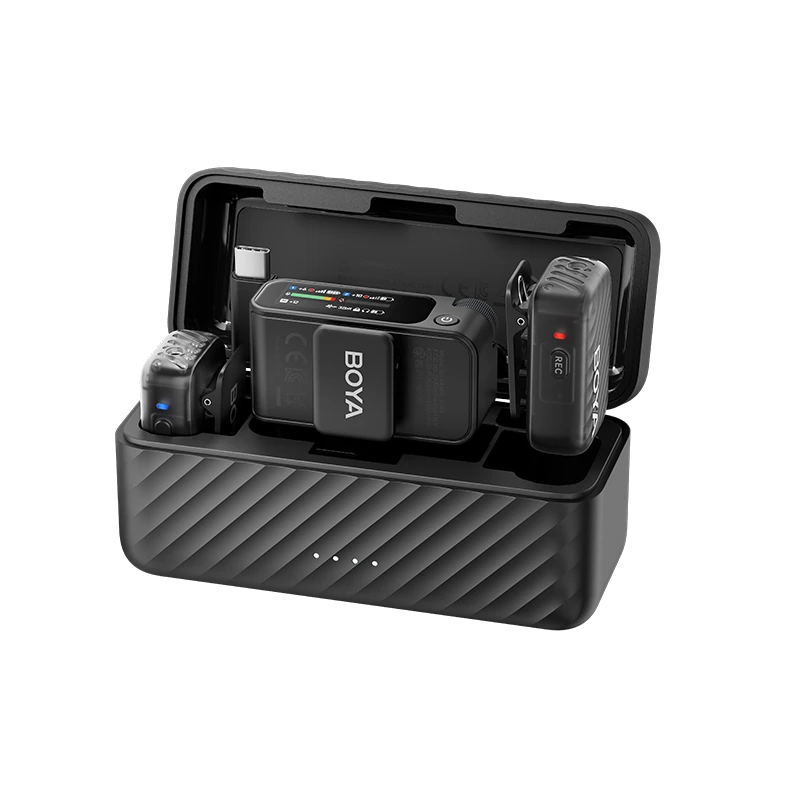
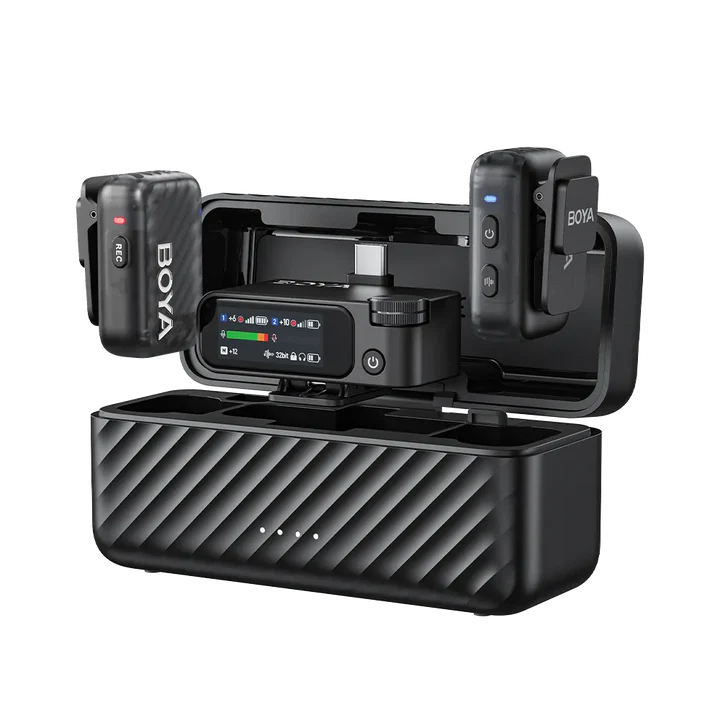
- Top Priority: Professional-grade wireless microphone systems with broadcast-quality audio, stable transmission, and strong anti-interference capabilities. Often, a two-channel (one-to-two) configuration is considered to handle multi-person interviews or dialogue scenarios. For example, the BOYAMIC2 wireless microphone offer a more professional recording experience.
- Key Features: Support for 3.5mm TRS/TRRS interfaces, compatible with various cameras and phones; monitoring function to ensure real-time recording effects; gain adjustment for flexible volume control; some high-end products offer safety tracks or internal recording capabilities to provide backup for post-production.
- Avoid: Products with mediocre audio quality, unstable transmission, or limited features, which can compromise the professionalism of the final work.
3. Interviewers & Podcasters
Interviewers and podcasters prioritize audio clarity, transmission stability, low latency, and comfort for long-duration use. They need microphones that can operate stably for extended periods, ensuring smooth conversations or explanations, and clearly capture vocals even in noisy environments. This category can be further divided into indoor professional recording and outdoor mobile interviewing.
3.1 Indoor Podcasts & Streaming
Core Needs: In relatively controlled indoor environments, such as podcast studios, home live streaming setups, or online meetings, creators focus more on high-fidelity audio, extremely low self-noise, and convenient connectivity. Transmission range is not a primary concern here; wired connections (like USB microphones) often provide more stable signals and superior audio performance.
Buying Advice:
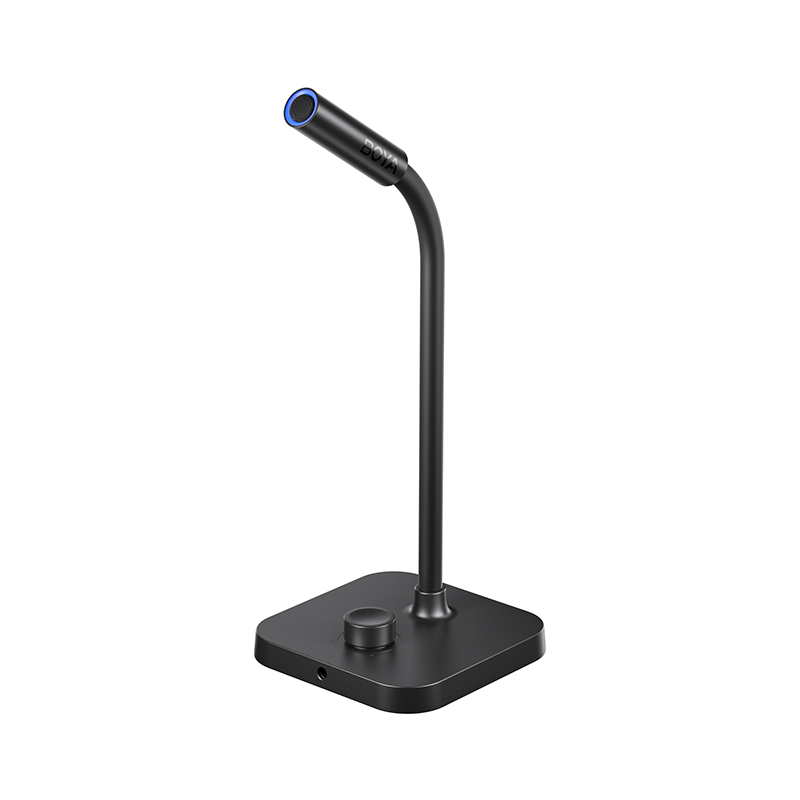
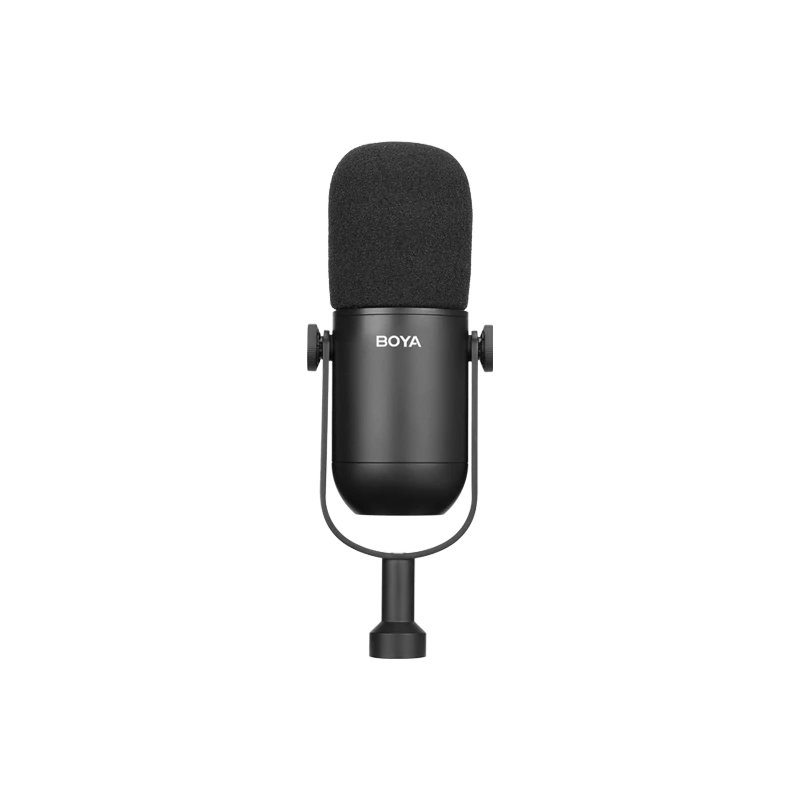
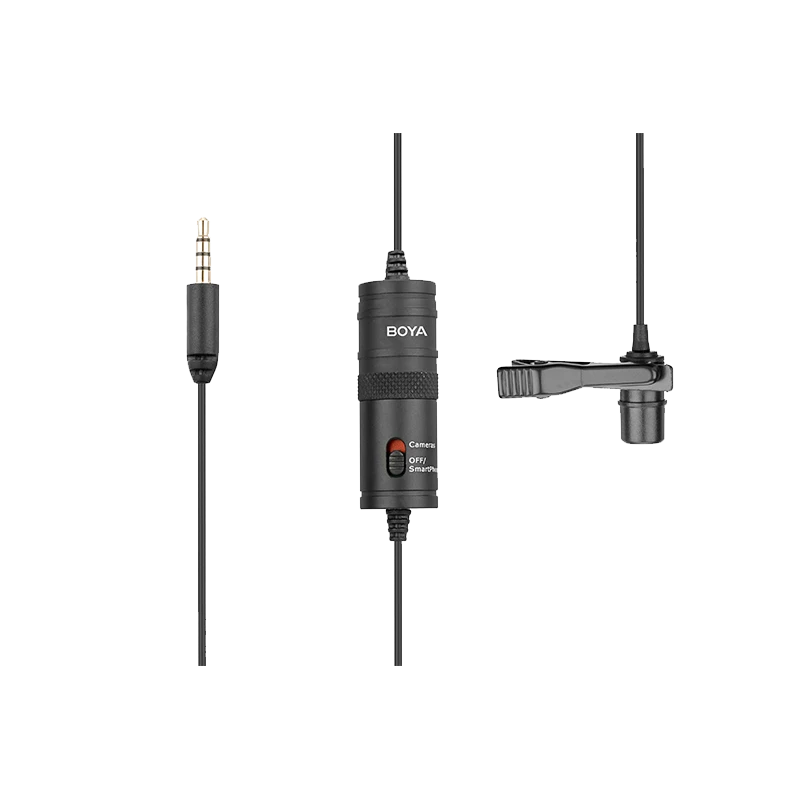
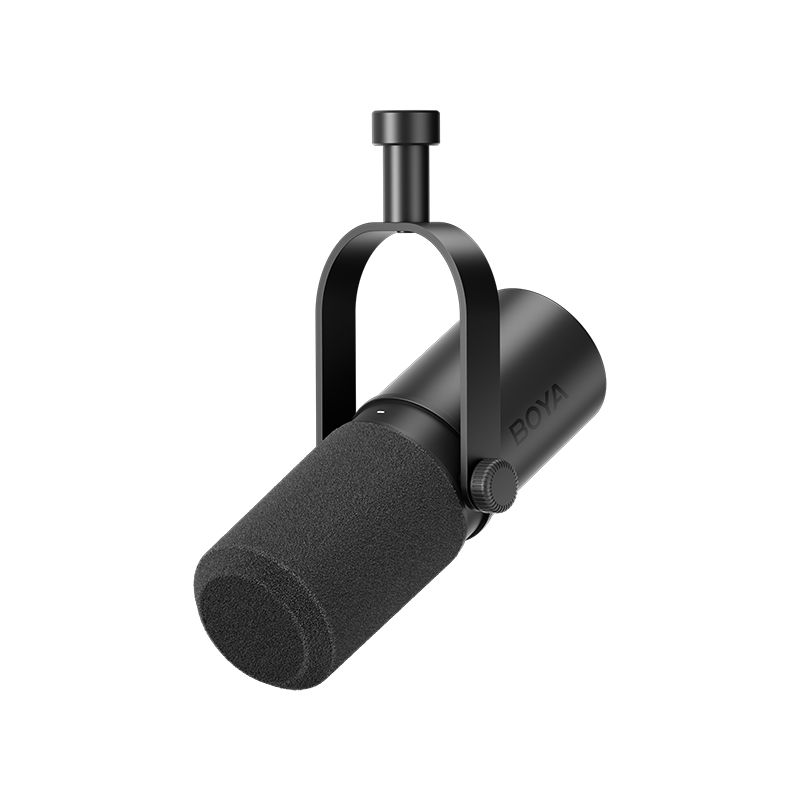
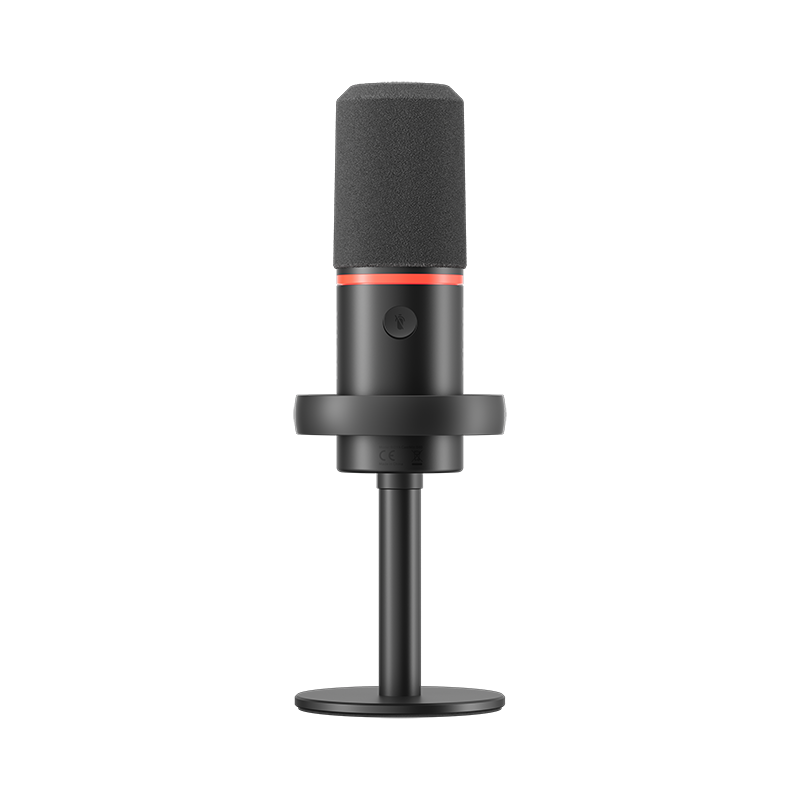
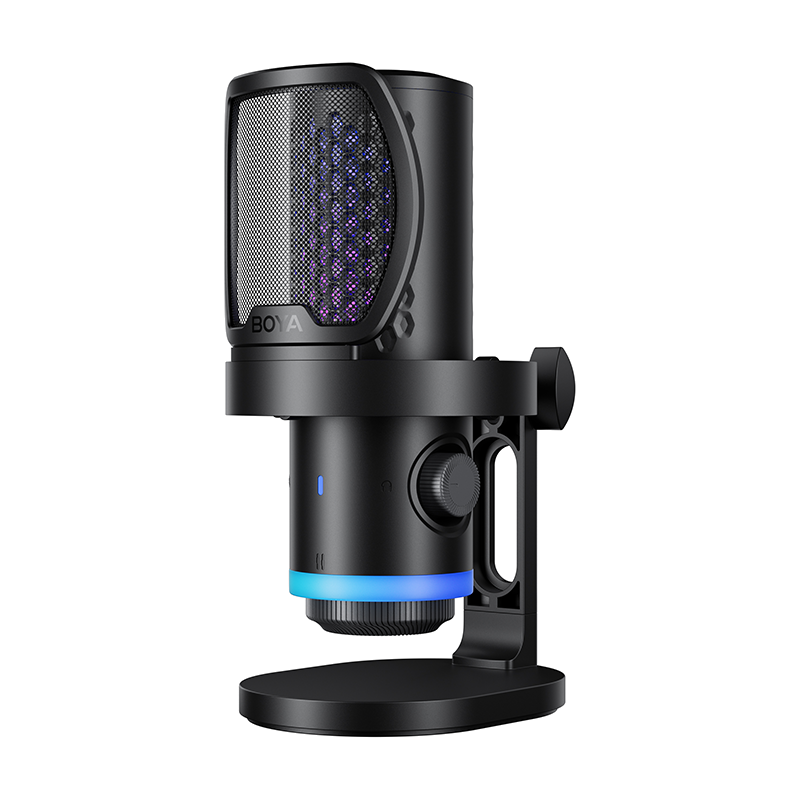
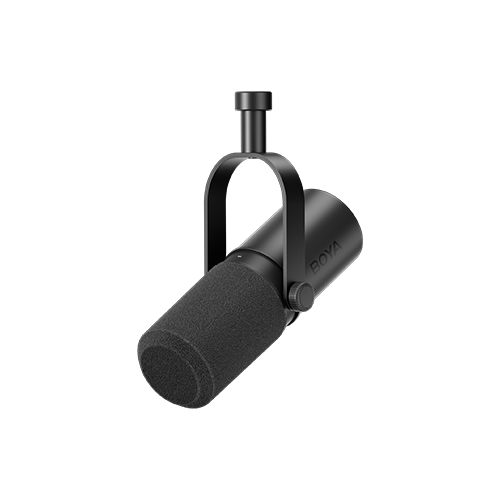
- Top Priority: USB microphones. These microphones are typically plug-and-play, requiring no complex audio interfaces or mixers, connecting directly to a computer or phone. They are ideal for desktop recording. For example, products like the BOYA Castmic P60 or BOYA Castmic S60 offer excellent audio quality and convenient operation.
- Key Features: High sample rate and bit depth for rich recording detail; monitoring function for real-time audio feedback; cardioid polar patterns effectively pick up front-facing vocals and reduce ambient noise.
- Avoid: Products with mediocre audio quality or noticeable self-noise, which can detract from the professionalism of the final audio production.
3.2 Outdoor Interviews & Mobile Content
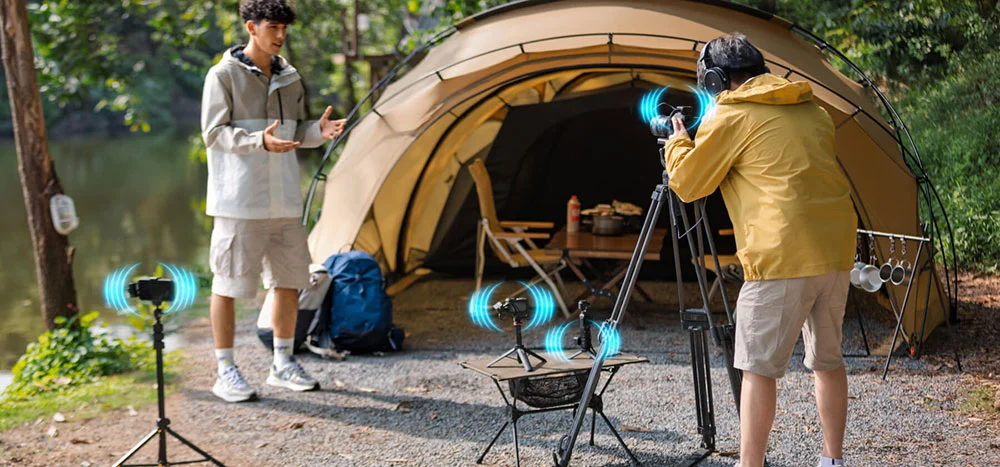
Core Needs: When the creative scenario shifts outdoors or requires mobility, such as journalist interviews, outdoor live streaming, or mobile teaching, the flexibility of wireless transmission, long-range stability, and anti-interference capabilities become paramount. The microphone needs to operate stably for extended periods, ensuring smooth conversations or explanations, and clearly capture vocals even in noisy environments.
Buying Advice:
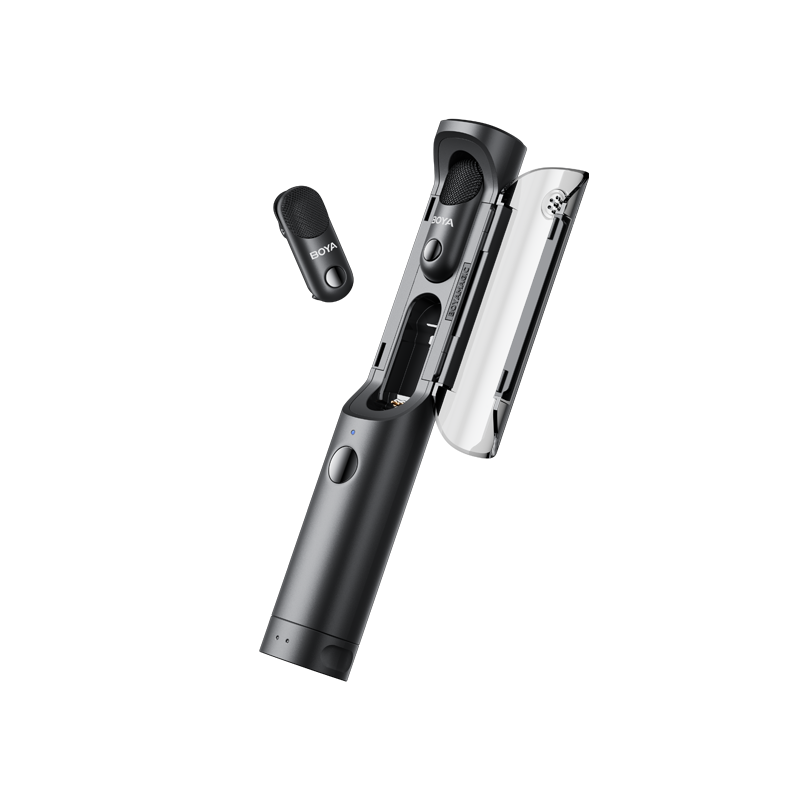
- Top Priority: Wireless microphones with long transmission range, strong anti-interference capabilities, and extended battery life. For mobile interviews, a two-channel configuration is ideal. For example, the BOYA Magic features a handheld mode, making it very suitable for journalists conducting on-site interviews.
- Key Features: Efficient intelligent noise cancellation to ensure vocals stand out in complex environments; low latency is crucial to avoid audio-video desynchronization during conversations or live streams; intuitive operation for easy long-term use and quick adjustments.
- Avoid: Products with signals prone to interference, short battery life, or uncomfortable wear, which can hinder communication efficiency and user experience.
Quick Reference Buying Guide Table:
| Creator Type | Core Needs | Recommended Features | Typical Scenarios | Recommended Product Type |
|---|---|---|---|---|
| Short-Form Video Creators | Extreme portability, ease of use, rapid response | Compact, charging case, direct phone plug-in, one-button noise cancellation | Outdoor vlogging, daily recording, short video shooting | Mini wireless microphone (e.g., lavalier, all-in-one) |
| YouTube Vloggers/Mobile Filmmakers | Professional audio, stable transmission, multi-device compatibility, expandability | Broadcast-quality audio, stable transmission, multi-interface, monitoring, safety track | Multi-camera setups, multi-person interviews, professional video production | Professional wireless microphone system (e.g., dual-channel, with monitoring, internal recording) |
| Interviewers & Podcasters (Indoor) | High-fidelity audio, convenient connection, low self-noise | High sample rate, USB direct connection, monitoring function | Podcast recording, online meetings, indoor live streams | USB microphone (e.g., desktop, condenser mic) |
| Interviewers & Podcasters (Outdoor) | Flexible mobility, stable transmission, long-range, long battery life | Long-range transmission, strong anti-interference, long battery life, intelligent noise cancellation | Outdoor interviews, news reporting, mobile teaching, outdoor live streams | Wireless microphone (e.g., lavalier, handheld) |
Common Buying Mistakes
1: Blindly Pursuing “Professional-Grade”
Many beginners believe that only “professional-grade” equipment can produce good work. In reality, for most vlogging and live streaming scenarios, entry-level or mid-range wireless microphones are sufficient. Blindly pursuing professional-grade equipment not only incurs higher costs but its complex operation can also become a burden on creativity. What suits you best is truly the best.
2: Focusing Only on Transmission Range, Ignoring Actual Environment
Manufacturer-advertised transmission ranges are often measured in ideal, unobstructed environments. In actual use, walls, human bodies, and other wireless signals can affect transmission range and stability. Therefore, when selecting, consider your primary usage scenarios and allow for some signal attenuation. The complexity of real-world environments far exceeds laboratory data.
3: Neglecting Compatibility, Leading to Unusable Equipment
Before purchasing, always confirm the microphone's interface type (Lightning, Type-C, 3.5mm TRS/TRRS) and system compatibility. Many wireless microphones are optimized for phones or cameras but may not be fully compatible with all devices or operating systems, leading to plug-and-play failures. “Plug-and-play” presupposes “correct matching.”
Final Thoughts
In 2026, choosing a wireless microphone is no longer about simply stacking specifications, but about a deep understanding of your creative workflow. Starting from the four dimensions of “Portability, Ease of Use & Long Battery Life,” “Stable & Long-Range Transmission,” “Intelligent Noise Cancellation,” and “App Integration & Compatibility,” and combining them with your creator type and actual needs, select a wireless microphone that allows you to “forget the equipment and focus on creation.” We hope this guide helps you make an informed choice, so your voice can be clearly heard by the world!
To learn more about the latest news from BOYA, join in our official social media accounts: Facebook, Youtube, Instagram.
FAQ
What's the difference between 2.4GHz and UHF wireless microphones?
2.4GHz: Mainstream technology, globally universal, license-free, plug-and-play. However, it's susceptible to interference from Wi-Fi, Bluetooth, and other devices, and has a relatively shorter transmission range. Suitable for short-distance, non-professional scenarios.
UHF: Professional-grade applications, long transmission range, strong anti-interference capability. However, it may require a license (in some countries/regions), equipment costs are higher, and operation is relatively more complex. Suitable for long-distance, complex environments, or professional broadcast-grade scenarios.
Do I need a two-channel (one-to-two) wireless microphone?
If you frequently need to interview two people, conduct dual live streams, or record conversations, a two-channel (one receiver connected to two transmitters) wireless microphone will be very convenient, effectively simplifying equipment and post-production. If it's for single-person use, a one-to-one setup is sufficient, avoiding unnecessary investment.
Does wireless microphone latency affect creation?
For most video shooting and live streaming, as long as the latency is within an acceptable range (typically below 20ms), it will not significantly affect creation. But for music recording, scenarios requiring extremely precise lip-sync, or professional audio production, ultra-low latency professional equipment is necessary to ensure accurate audio-visual synchronization.