







💡 Key Takeaways
- Wireless microphone directionality often affects audio quality more than most technical specs.
- Cardioid is popular—but it is not a "one-size-fits-all" solution for every wireless setup.
- Shotgun microphones are NOT “zoom lenses”; they don't pull in distant sound, they just reject side noise.
- The wrong polar pattern can ruin your audio—even when using a high-end wireless microphone system.
Why Wireless Microphone Directionality Matters?
Have you ever used a high-end wireless microphone, only to end up with audio that sounds:
- Echoey indoors?
- Noisy outdoors?
- Distant and unclear, even at high volume?
In 90% of cases, the problem isn’t the microphone’s price—it’s the directionality. Your wireless microphone doesn’t “know” what to listen to. Directionality is the specific tool you use to tell the mic what matters and what to ignore.
What Is Microphone Directionality (Polar Pattern)?
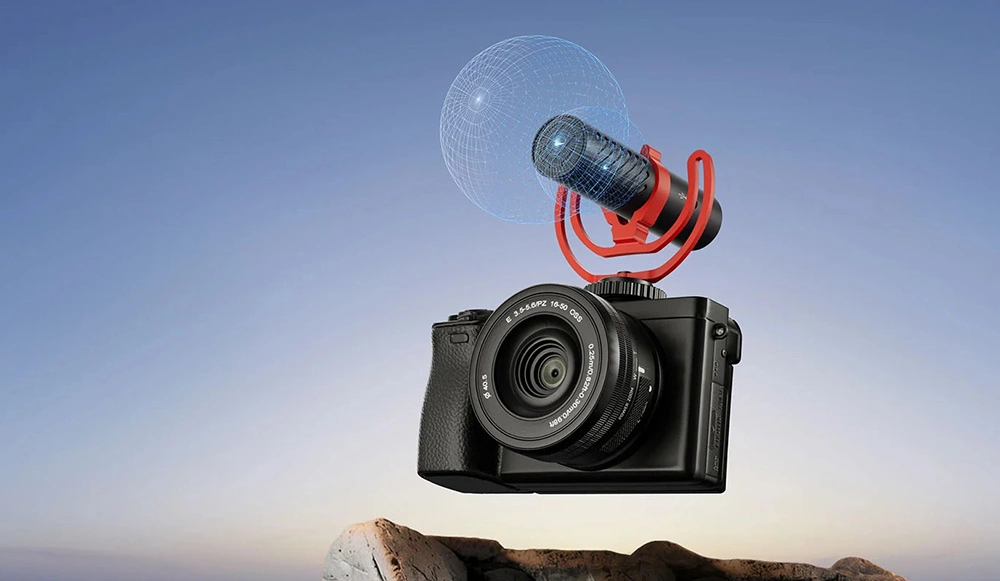
👉 A microphone polar pattern is how a mic picks up sound from different directions. It determines exactly what your mic captures clearly—and what it ignores.
Technically, this refers to the polar sensitivity of the microphone's capsule. Think of it as a spatial map:
- 0° = Front (Where the wireless mic is pointed).
- 180° = Rear (The "null point" or blind spot).
- Side angles vary sensitivity depending on the specific pattern.
In real-world recording, choosing the right pattern for your wireless system matters more for "clean audio" than specs like SNR or bit depth.
The 5 Main Wireless Microphone Polar Patterns Explained
1. Omnidirectional (Omni)
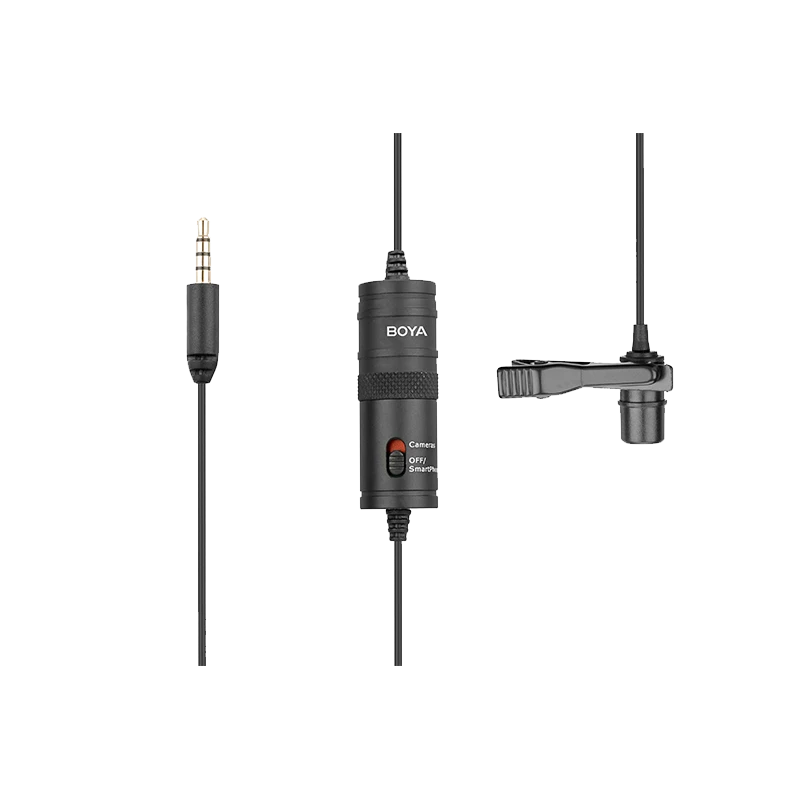
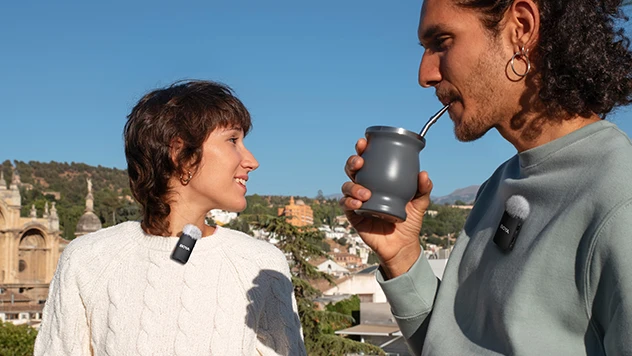
If you're using a wireless lavalier microphone, choose omnidirectional in most cases. It is more consistent, more natural, and far more forgiving when the speaker moves.
- How it works: Captures sound equally from all directions (360°).
- Best for: Wireless lapel mics, vlogs with heavy movement, and ambient recording.
- Pros: Natural sound, no proximity effect, and very forgiving placement.
- Cons: Picks up all background noise and room reflections.
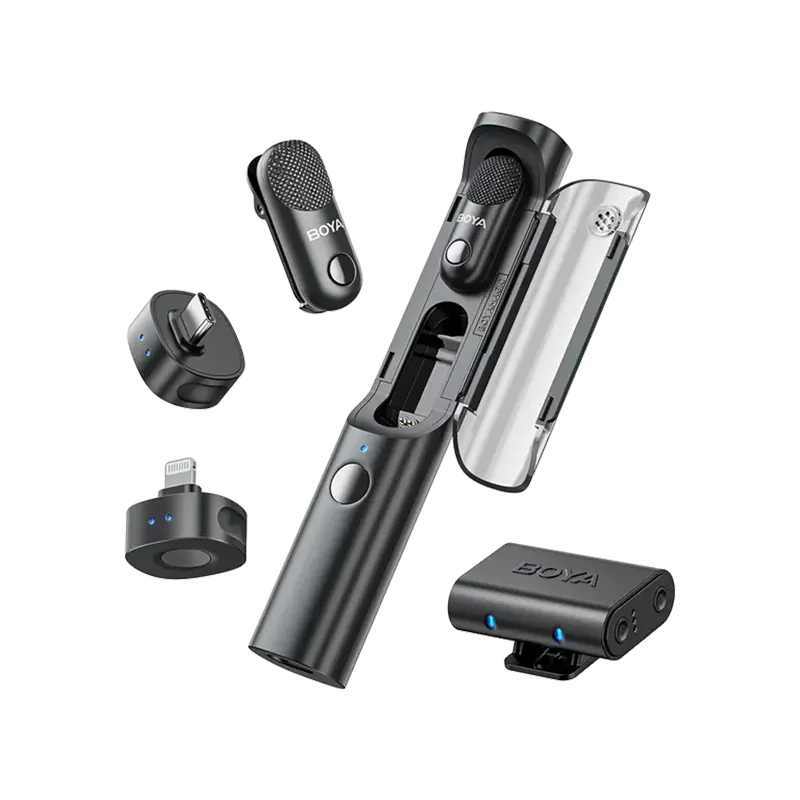
- Pro Insight: Most professional wireless lavalier systems (like BOYA Magic or BOYA mini 2) use omnidirectional capsules because they maintain consistent audio even if the speaker’s head turns.
2. Cardioid
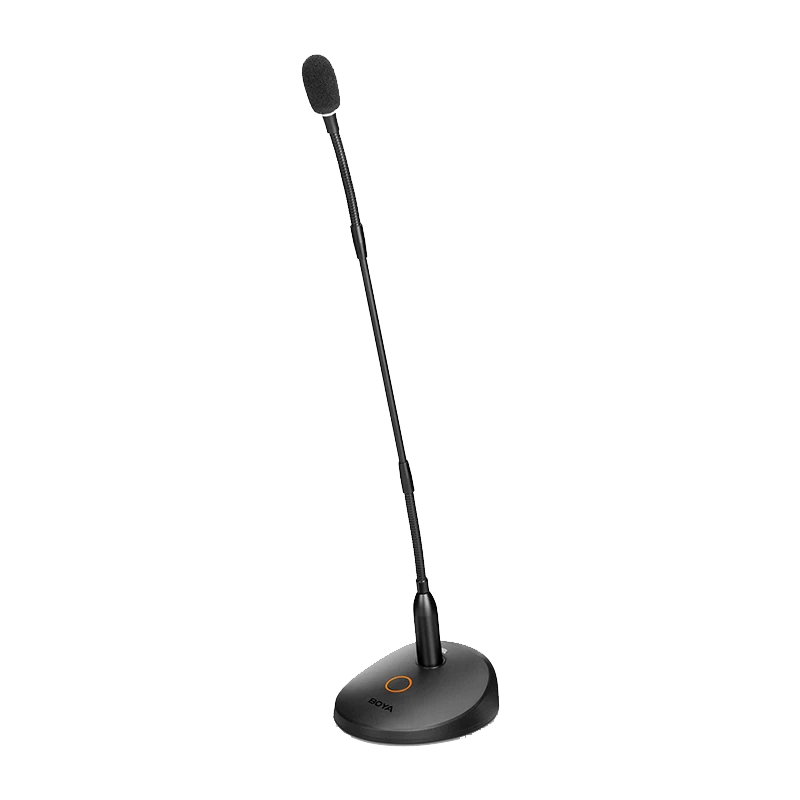
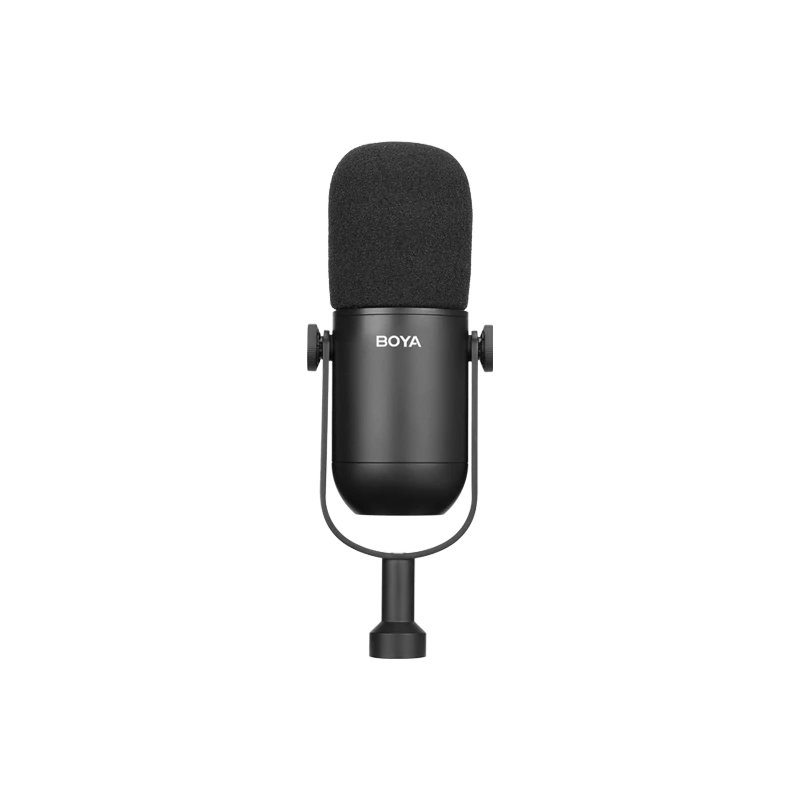
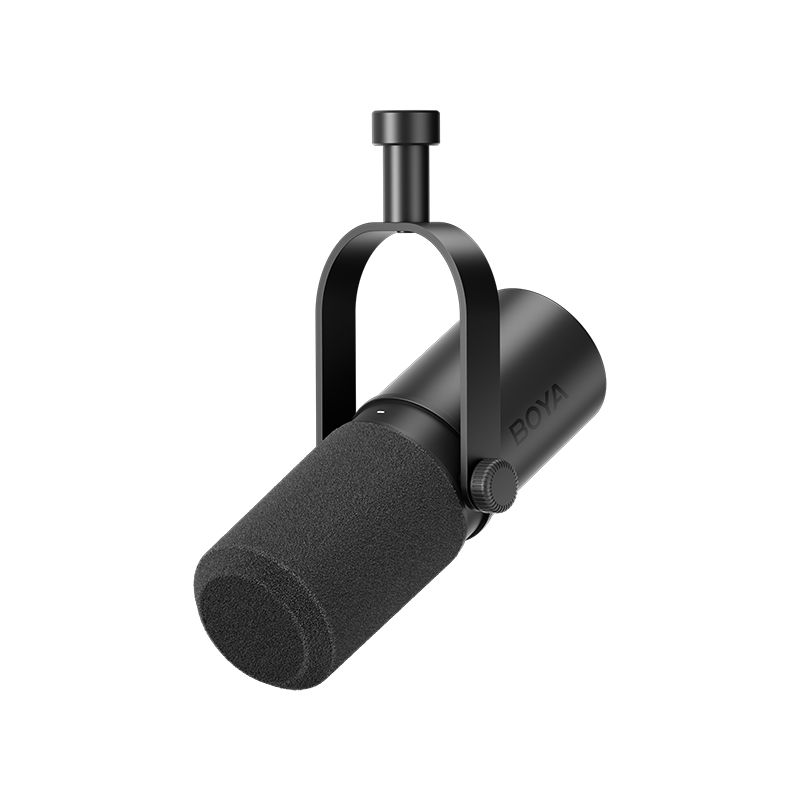
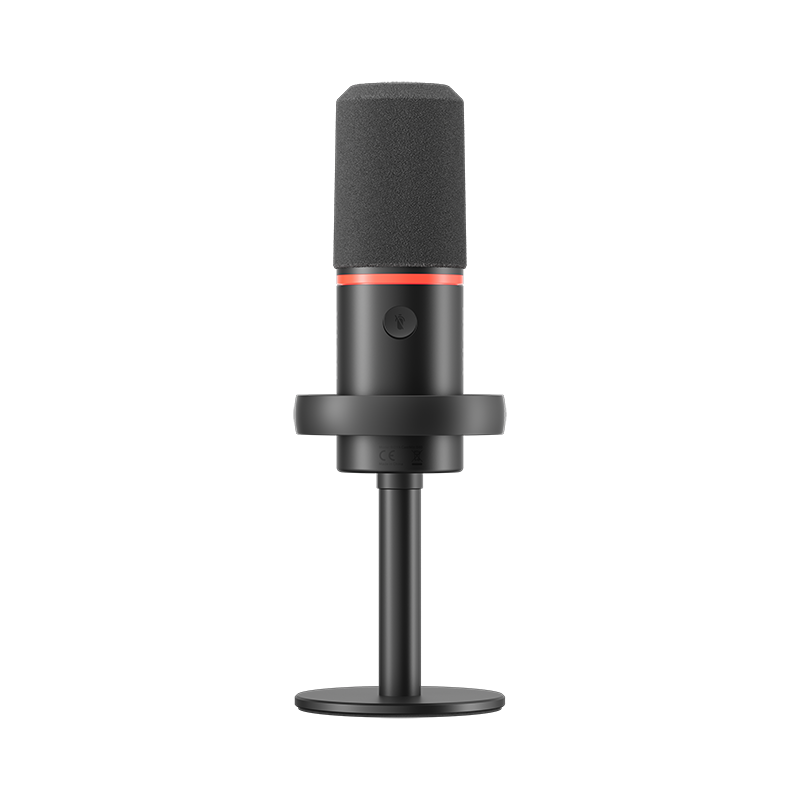
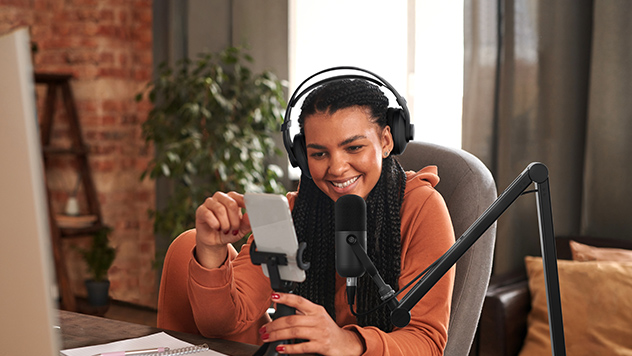
Choose a cardioid polar pattern for fixed-position wireless recording, such as streaming or stage vocals. It excels at isolating a single voice while blocking background noise.
- How it works: Focuses on sound from the front and rejects the rear (180°).
- Best for: Handheld wireless microphones and podcasting.
- Pros: Strong voice isolation and excellent rear-noise rejection.
- Cons: Highly sensitive to positioning; suffers from "proximity effect" (bass boost).
3. Supercardioid / Hypercardioid
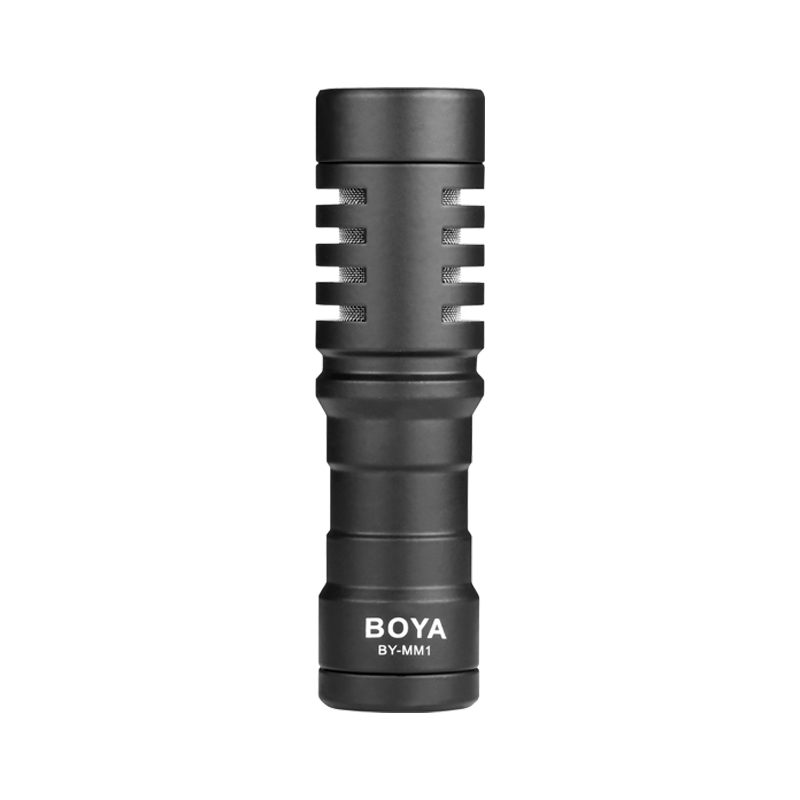
Use supercardioid wireless mics (like BY-MM1 AI) when recording in extremely noisy or high-volume environments. They offer narrower pickup than cardioid for maximum side-rejection.
- How it works: Narrower front focus with a small "bulb" of sensitivity at the rear.
- Best for: Loud stage performances and noisy event coverage.
4. Shotgun (Lobar)
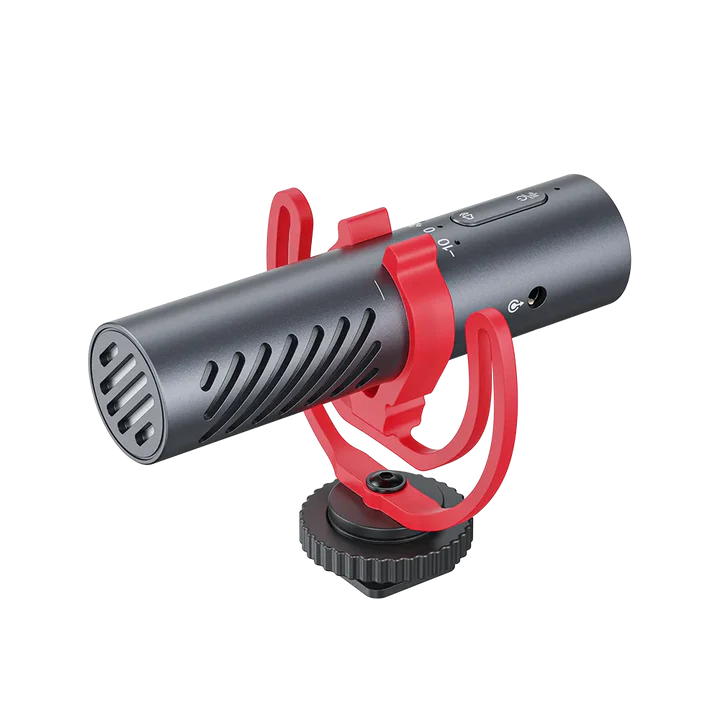
For professional filmmaking or outdoor interviews, the shotgun mic is the most directional tool available.
- How it works: Uses an "interference tube" to cancel out sound from the sides.
- Critical Truth: Shotgun mics don’t “zoom in.” They simply ignore the world that isn't directly in front of the capsule. They perform poorly in small, reflective indoor spaces.
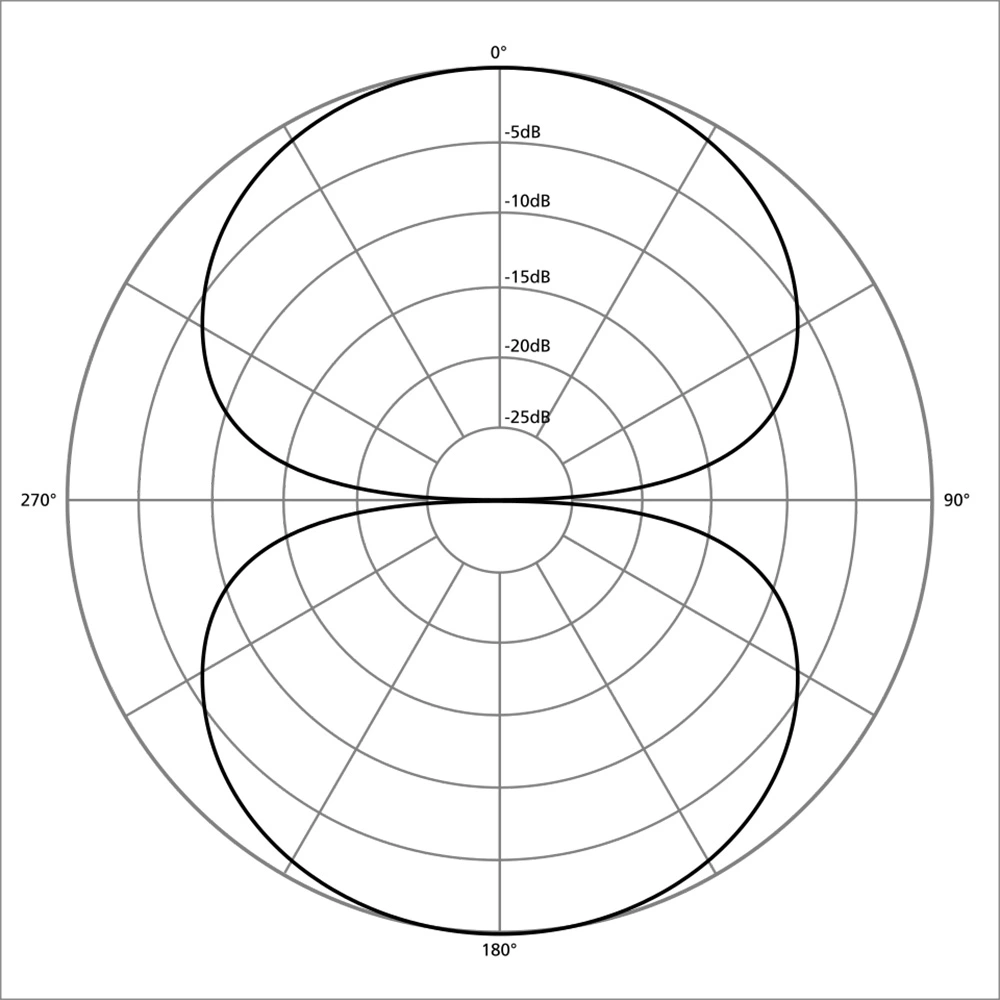
5. Figure-8 (Bidirectional)
- How it works: Captures sound from the front and back equally, while being completely "deaf" at the sides.
- Best for: One-on-one face-to-face interviews using a single wireless microphone.
Cardioid vs. Omnidirectional vs. Shotgun
| Feature | Omnidirectional Wireless | Cardioid Wireless | Shotgun (Lobar) |
|---|---|---|---|
| Noise Rejection | Low (360° Pickup) | Medium (Front Focus) | High (Frontal Only) |
| Natural Sound | Excellent | Good | Focused / Compressed |
| Proximity Effect | None | High (Bassy) | High |
| Movement Tolerance | High (Best for Vlogs) | Low | Very Low |
| Best Use Case | Lav Mics / Interviews | Streaming / Stage | Cinema / Outdoors |
How to Choose the Right Wireless Directionality
👉 To pick the right pattern, evaluate your environment first, then your movement.
- Quiet Environment? → Use Omnidirectional for the most natural sound.
- Noisy Environment? → Use Cardioid or Supercardioid to isolate the voice.
- Moving Subject? → Always choose Omnidirectional for wireless lavaliers to avoid audio "dropouts" when the subject turns their head.
- Fixed Subject? → Use Cardioid for a rich, studio-quality sound.
Expert audio engineers focus on choosing and using microphone polar patterns that match the specific acoustics of the recording space.
Best Wireless Polar Patterns for Real-World Scenarios
- YouTube / Content Creation: 👉 Choose an Omnidirectional wireless lavalier. It’s the most reliable choice for solo creators who need to move freely without losing audio clarity.
- Interviews (Wireless Lavs): 👉 Stick with Omnidirectional. If your subject turns their head during a conversation, a cardioid lav will lose the voice entirely, ruining the take.
- Filmmaking: 👉 Use a Shotgun mic for primary audio and an Omni wireless lav as a backup/safety track.
- Live Streaming / Stage: 👉 You must use Cardioid or Supercardioid. Using an omni mic near speakers or monitors will almost certainly cause feedback.
Common Mistakes
- The "Zoom" Myth: Thinking a shotgun wireless mic can record clear audio from 20 feet away. (It can't).
- The "Cardioid Safety" Trap: Using a cardioid mic in a room with hard walls. The reflections often make the voice sound "boxy" and hollow.
- The "Omni is Low Quality" Fallacy: Assuming omni is worse because it "picks up noise." Professional sound engineers choose omni for its superior transparency and consistency.
Pro Tips for Professional Wireless Audio
- Get Closer: Even the best polar pattern cannot beat physics. Keep your wireless mic as close to the sound source as possible.
- Use the "Dead Zone": Position the rear of your cardioid wireless mic toward noise sources like PC fans or air conditioners.
- Inverse Square Law: Halving the distance to the mic quadruples the sound energy. This is the single most effective way to improve your signal-to-noise ratio.
Conclusion
The biggest mistake creators make is focusing on hardware specs instead of directionality. In the world of wireless audio, the right polar pattern matters more than the brand of the microphone itself. Ready to upgrade? Explore our Wireless Microphone Collection to find the perfect polar pattern for your next recording.
To learn more about the latest news from BOYA, join in our official social media accounts: Facebook, Youtube, Instagram.
Frequently Asked Question
Q: What is the best polar pattern for wireless microphones?
For clip-on wireless lavalier systems, Omnidirectional is the professional standard. For handheld wireless microphones used on stage, Cardioid is the best choice for isolation.
Q: Is cardioid better than omnidirectional for wireless lavalier mics?
In most real-world scenarios, no. Omnidirectional wireless lavs provide a much more consistent audio level when the speaker moves their head or body.
Q: Do shotgun microphones work indoors?
They can work in large, treated rooms, but in small offices, the reflections will cause "phase interference," reducing clarity.
Q: Why does my wireless mic pick up background noise?
Likely due to omnidirectional pickup in a noisy room, poor placement far from the mouth, or untreated environment acoustics.