







💡 Key Takeaways
- Physical Protection Wins: Always prioritize a furry windshield ("deadcat") over software; AI noise cancellation can isolate background chatter, but it cannot fix heavy wind turbulence in post-production.
- Audio Insurance for Action: For sports and high-velocity motion, look for professional features like 32-bit float onboard recording and Safety Tracks to completely eliminate digital clipping and audio dropouts.
- Form Factor Dictates Workflow: Choose your microphone based on your physical handling needs—ultra-lightweight clips (like BOYA mini 2) favor travel vloggers, while versatile 4-in-1 transformable form factors (like BOYA Magic) excel in spontaneous street interviews.
- Power Stability Matters: Outdoor shoots naturally run long; investing in a wireless system accompanied by an all-in-one charging case ensures uninterrupted multi-day creation.
Recording outdoors is one of the fastest ways to create engaging content, but it is also one of the most challenging environments for capturing clean audio. Whether you are filming a travel vlog, documenting a hiking adventure, recording a cycling video, or interviewing someone on a busy street, outdoor conditions can quickly introduce problems that are difficult to fix in post-production.
In this guide, you'll learn what makes outdoor recording different, which microphone features matter most, and how to choose the best wireless microphone for sports, travel, and windy conditions.
What makes outdoor recording different from indoor recording?
Outdoor recording is unpredictable. Unlike a controlled studio, shooting outdoors means managing dynamic environmental elements that can easily ruin your audio if you aren't prepared. The three biggest challenges include:
- Unforgiving Wind Noise: Moving air creates low-frequency turbulence directly across the microphone capsule, causing deep rumbles. Pro Tip: AI noise cancellation is for reducing background hums—not a replacement for physical wind protection like a furry windshield ("deadcat").
- Unpredictable Background Sounds: Outdoor noise rarely stays consistent. Your mic must constantly filter out fluctuating sounds like passing traffic, crowds, waves, or wildlife, making effective voice isolation more critical than perfect frequency response specs.
- Constant Movement: Hiking, cycling, or travel vlogging means the distance and line-of-sight between your transmitter and receiver are always shifting, which directly threats wireless stability and increases the risk of signal dropouts.
What features matter most in an outdoor wireless microphone?
The best wireless microphone for outdoor recording is not necessarily the one with the highest specifications—it's the one that can consistently capture clear, reliable audio in unpredictable environments. When comparing different models, prioritize features that improve recording stability and usability instead of focusing only on sound quality.
Reliable wireless transmission
A stable wireless connection is the foundation of successful outdoor recording. Whether you're filming a travel vlog in a busy city or capturing action footage on a hiking trail, your microphone should maintain a reliable signal even as the distance between you and the camera changes.
Look for wireless systems that offer:
- Long and stable transmission range
- Low-latency audio monitoring
- Strong resistance to wireless interference
- Consistent performance in crowded environments
Effective wind protection
Wind protection is one of the most important factors in outdoor audio quality. Even a gentle breeze can create low-frequency rumble that overwhelms speech and is difficult to remove during editing. Most wireless microphones include a foam windscreen, which works well indoors or in light outdoor conditions. However, for travel, sports, or filming in open areas, a furry windshield provides significantly better protection against wind turbulence.
| Accessory | Best For | Wind Protection |
|---|---|---|
| Foam Windscreen | Indoor recording, light breeze | ★★☆☆☆ |
| Furry Windshield ("Deadcat") | Outdoor recording, sports, travel, windy environments | ★★★★★ |
If you expect to record outdoors regularly, a furry windshield should be considered essential rather than optional.
AI noise cancellation
AI noise cancellation helps separate speech from background sounds using intelligent audio processing. It is particularly useful in environments with consistent ambient noise, such as busy streets, cafés, parks, or tourist attractions. If you want to understand how AI noise cancellation works and how it differs from traditional noise reduction technologies, check out our guide: Does Your Microphone Really Have True AI Noise Cancellation? .

Battery life for all-day recording
Outdoor shoots often last much longer than expected. Travel days, sporting events, hiking trips, and sightseeing can easily extend beyond eight hours, making battery life an important consideration.
Look for features such as:
- Long recording time on a single charge
- A charging case for additional runtime
- USB-C fast charging
- Battery level monitoring through a companion app
Reliable battery performance allows you to focus on creating content instead of worrying about finding a power outlet during your trip.
Compact and lightweight design
Outdoor creators usually carry multiple pieces of equipment, including cameras, lenses, tripods, power banks, and personal gear. A lightweight wireless microphone makes traveling more comfortable while reducing fatigue during long recording sessions.
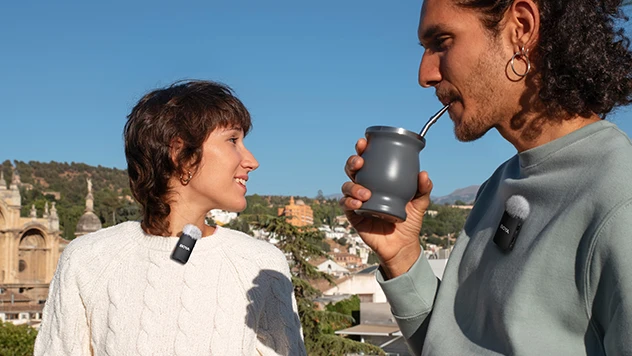
Smaller transmitters are also easier to clip onto lightweight clothing, making them ideal for activities such as hiking, cycling, sightseeing, and walking tours.
Backup recording features
Many outdoor moments cannot be recreated. A wildlife encounter, a beautiful sunset, or an unexpected interview may only happen once, making backup recording features extremely valuable.
Depending on your workflow, consider microphones that include:
- Safety Track recording
- Onboard recording
- Automatic gain control
- Adjustable recording levels
These features provide an additional layer of protection against clipping, sudden loud sounds, or temporary wireless signal interruptions. To learn more about how these technologies protect your recordings, explore our guides:
- What Is a Mic Safety Track? Why It’s Essential for Creators
- Microphone Onboard Recording: Your Audio Backup Solution
- 32-Bit Float Recording: Is It the Ultimate Fix for Audio Clipping?

Companion app control
Many modern wireless microphones allow users to adjust settings directly from a smartphone app, making it easier to optimize audio without interrupting a recording session.
Useful app-based controls may include:
- Microphone gain adjustment
- AI noise cancellation modes
- Firmware updates
- Recording mode selection
- Battery status monitoring
Quick access to these settings can save valuable time when recording in fast-changing outdoor environments.
What is the best wireless mic for different outdoor activities?
The best wireless microphone depends on your specific shooting style. Instead of looking at a long specification sheet, grouping your activities into core categories helps you choose a microphone tailored to your environmental challenges.
1. Travel & Outdoor Adventures (Vlogging, Hiking, & Coastlines)
Whether you are walking through a windy coastal beach or hiking up a scenic mountain trail, adventure creators face a common set of challenges: unpredictable wind, environmental background rumble, and zero access to power outlets.
For these scenarios, prioritized features include a secure furry windshield to block heavy gusts, effective background noise reduction, and a lightweight form factor that won't weigh down your pack during a long day of exploring.
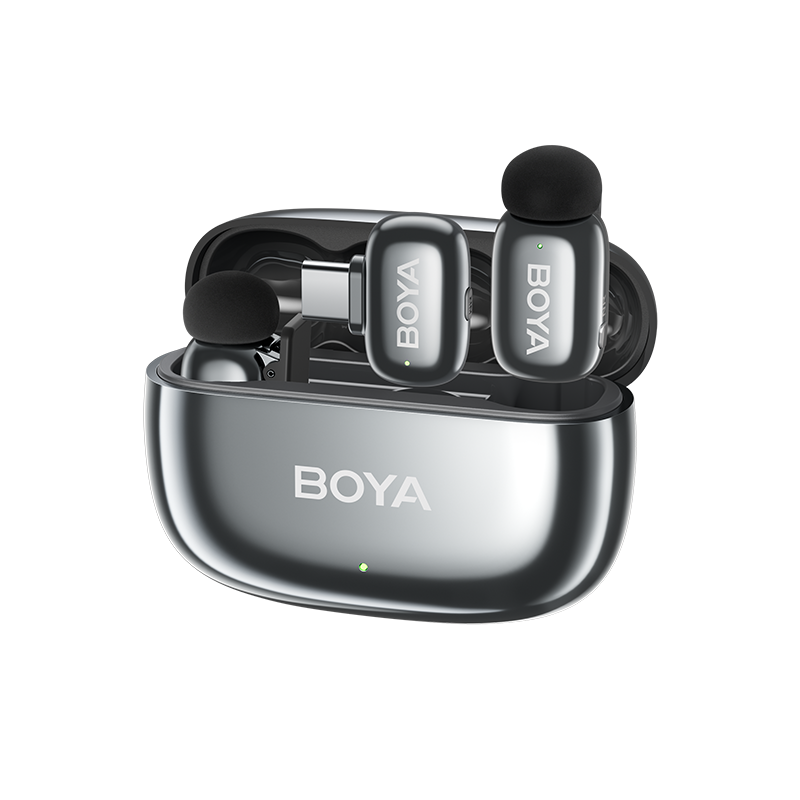
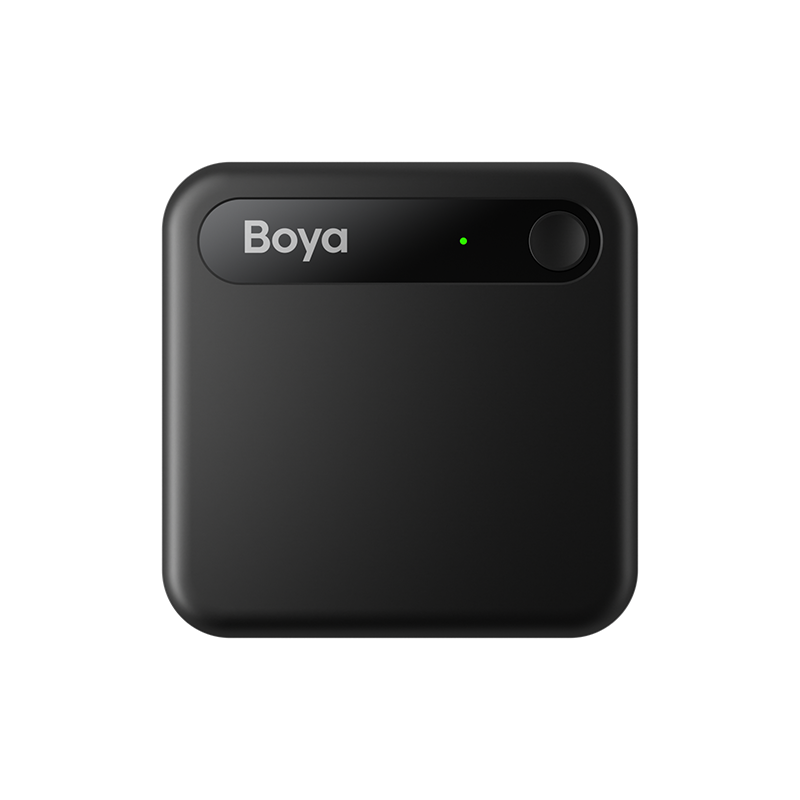
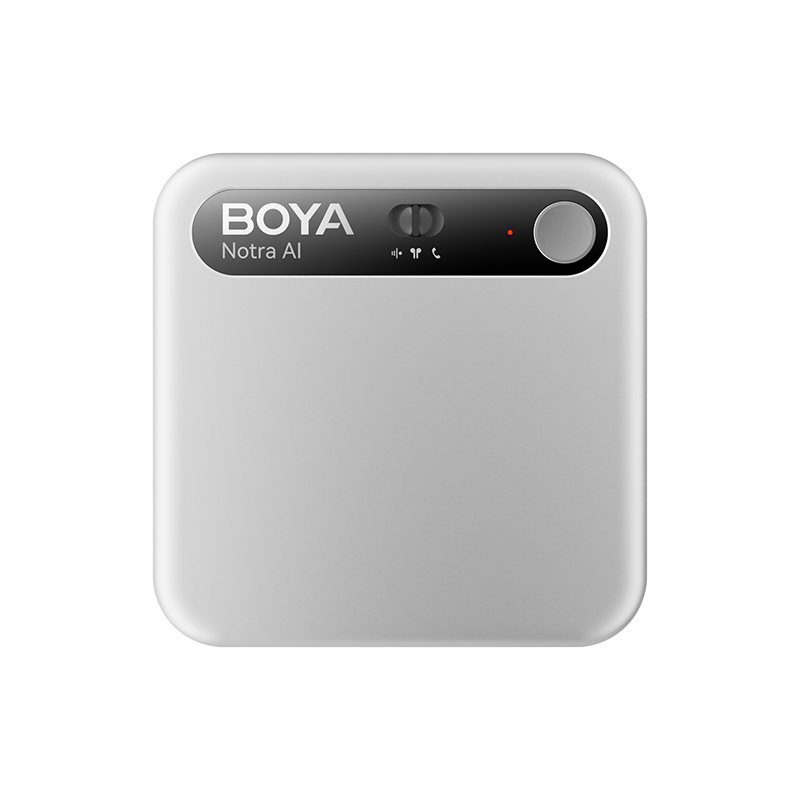
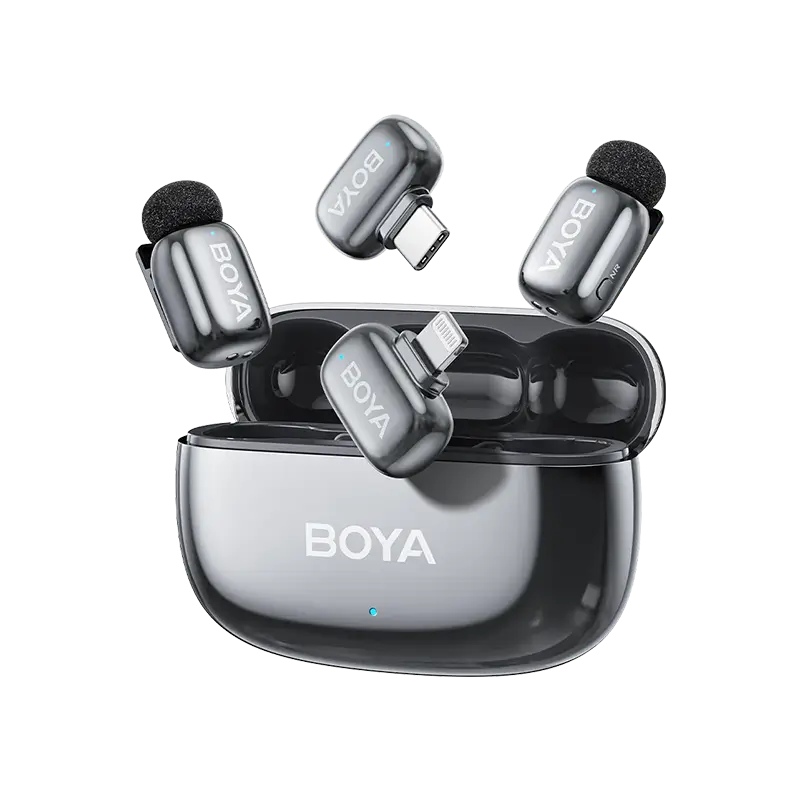
BOYA mini 2: Perfect for lightweight travel vlogging. Its feather-light transmitter clips comfortably onto clothing without adding bulk, while AI noise cancellation helps reduce everyday background noise in busy environments such as city streets, cafés, and tourist locations.
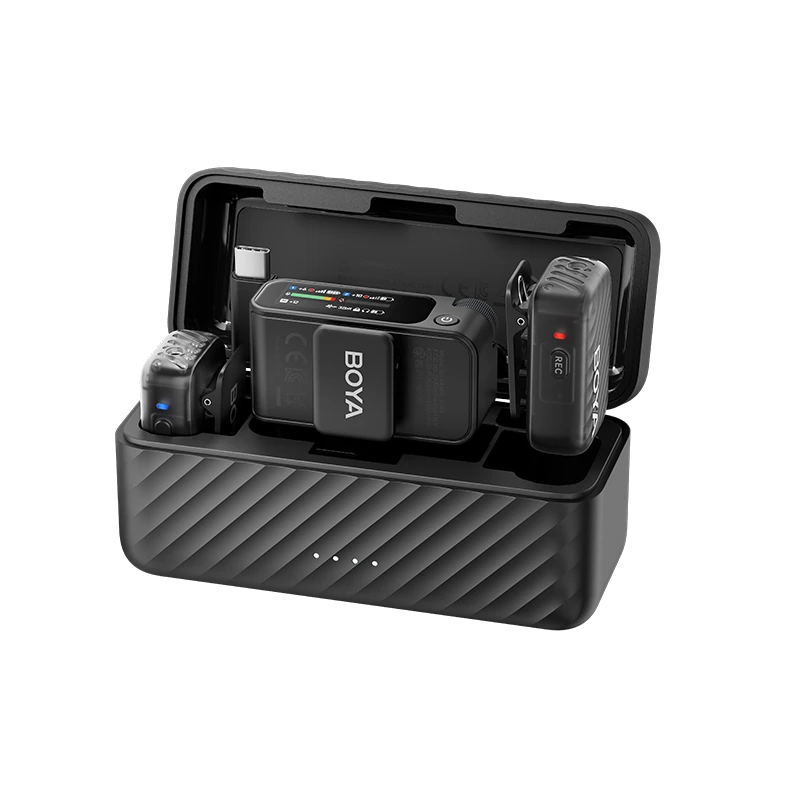
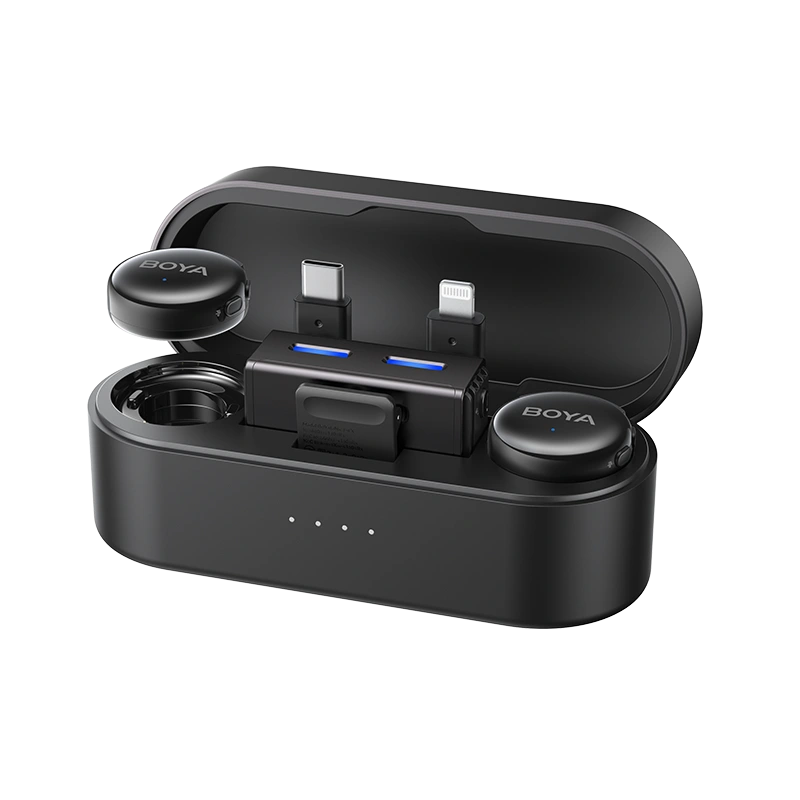
BOYALINK 3: Designed for creators who need flexibility while traveling. Its charging case extends battery life for long shooting days, while interchangeable connectors make it easy to connect with cameras, smartphones, and other recording devices.
2. Sports & Active Motion
Filming high-speed action like mountain biking, skiing, or running introduces intense body movement, constant clothing vibration, and unpredictable volume spikes. When an athlete suddenly shouts or a car roars past, standard audio tracks will instantly clip and distort. Furthermore, modern action shoots often involve multi-camera or multi-device setups to capture different angles simultaneously.
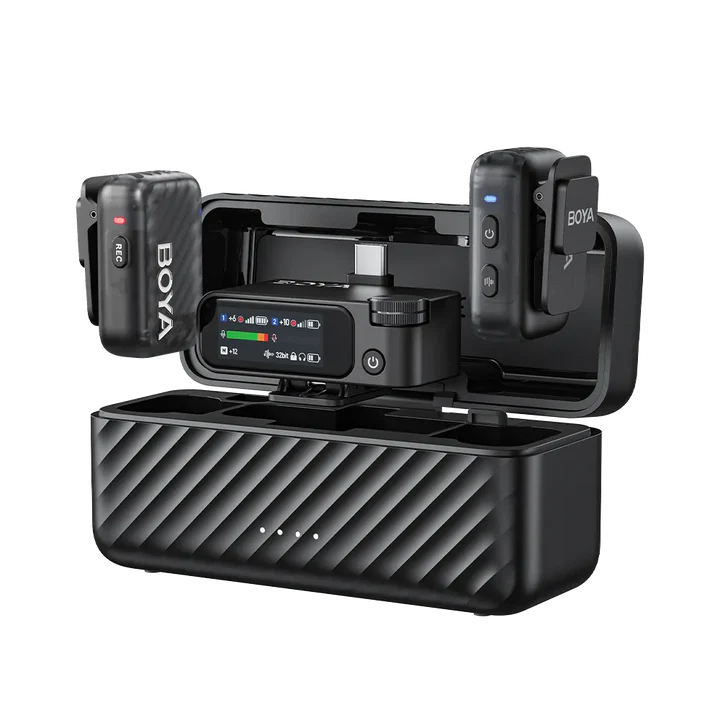
BOYAMIC 2: Designed for creators who need maximum reliability during demanding outdoor productions. With 32-bit float onboard recording, it provides greater protection against unexpected volume spikes and helps preserve important moments during action shoots. Its advanced wireless workflow supports up to 4 receivers and 8 connected devices, making it ideal for multi-camera sports production or professional live content creation.
3. Street Interviews & Public Spaces
Capturing sudden, spontaneous interviews on busy city sidewalks requires a setup that isolates clear speech from heavy background environments like passing traffic and surrounding chatter. Speed, adaptability, and flexible mic handling are critical here, as interview opportunities fade quickly, and clipping a microphone onto a stranger's clothing can often be awkward or time-consuming.
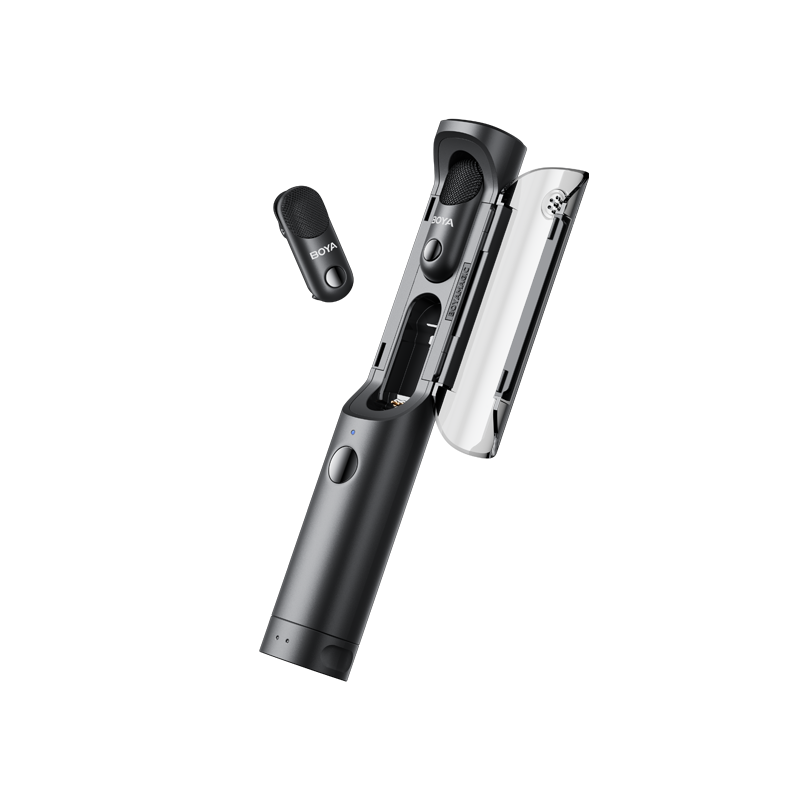
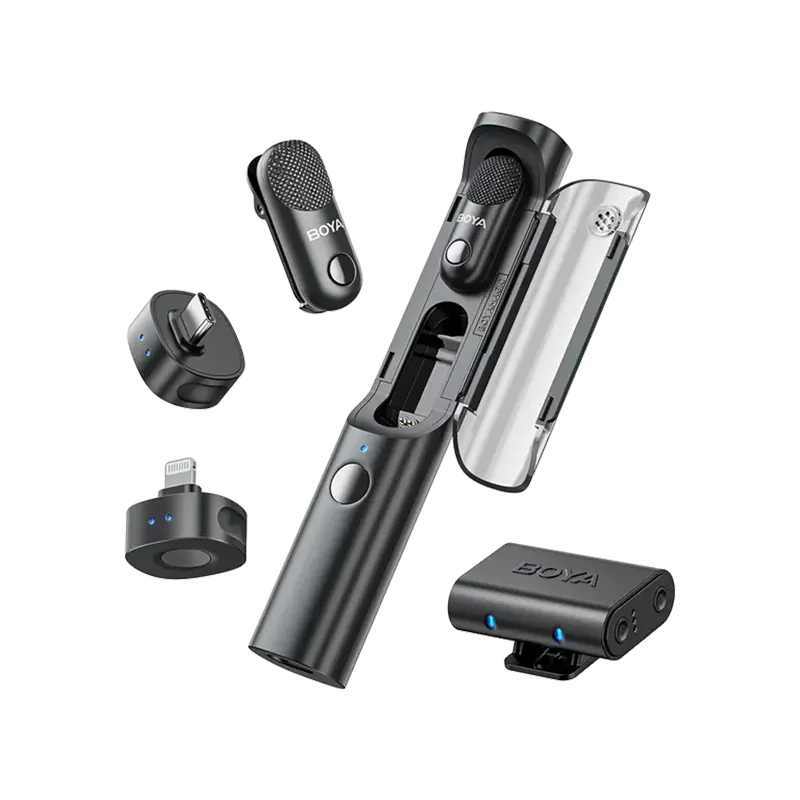
BOYA Magic: Thanks to its innovative 4-in-1 design, you don't need to attach a traditional lavalier microphone to every interview subject. By placing the transmitter into its charging case, it can quickly transform into a handheld interview microphone. Combined with flexible mounting options and AI noise cancellation, it provides a practical solution for capturing clear voices in busy public spaces.
Final thoughts
Choosing the right wireless microphone for outdoor recording isn't about finding the model with the longest specification sheet. It's about selecting equipment that performs reliably in the environments where you actually create content.
For most outdoor creators, the essentials are straightforward: stable wireless transmission, effective wind protection, long battery life, and a compact design that is comfortable to carry throughout the day. Features such as AI noise cancellation, onboard recording, and Safety Track can provide additional confidence when recording in unpredictable conditions.
Whether you're documenting your next trip, filming a cycling adventure, conducting street interviews, or capturing memories with friends and family, investing in the right microphone—and using it correctly—will have a greater impact on your content than almost any camera upgrade. Before your next outdoor shoot, take a few minutes to test your setup, check your batteries, and install a furry windshield. Those small steps can make the difference between usable audio and a recording you'll never be able to recover.
Frequently asked questions
Can I use a wireless microphone in windy conditions?
Yes. Most wireless microphones can perform well outdoors when paired with a furry windshield and proper microphone placement. Wind protection is far more effective than trying to remove wind noise during editing.
Does AI noise cancellation remove wind noise?
Not completely. AI noise cancellation is designed to reduce consistent background sounds such as traffic or crowd noise. Strong wind striking the microphone capsule should be minimized using physical wind protection.
What is the best wireless microphone for travel?
A travel-friendly wireless microphone should be compact, lightweight, easy to operate, and capable of delivering long battery life. Features such as AI noise cancellation, app control, and a charging case can also improve the overall recording experience.
Do I need onboard recording for outdoor videos?
Not every creator needs onboard recording, but it provides valuable backup when filming once-in-a-lifetime moments, action sports, or important interviews where a wireless signal interruption could result in lost audio.
Should I choose a wireless microphone or use my phone's built-in microphone?
While modern smartphones continue to improve, a dedicated wireless microphone generally produces clearer speech, better voice isolation, and more consistent audio quality—especially in noisy outdoor environments.